
Quilting
Quilt Material: Fabric, Yardage and Your First Quilt in 2026
The short answer
Start with quilting cotton for the top and backing, batting for the middle, and fabric strips for binding. Choose a simple pattern, then buy from its cutting list.
Last updated October 2026
What's covered11
- What quilt material means: fabric, batting and notions
- Choose quilting fabrics by project
- How much quilt material to buy: a lap-quilt example
- Start here: from fabric to a finished quilt
- Patterns and blocks for your quilt fabric
- How-to guides: quilting and binding
- Machines for piecing and quilting
- Supplies, batting and quilting material
- Baby and gift quilts
- Quilt pictures, scraps and project ideas
- Verdict on quilt material for a first project
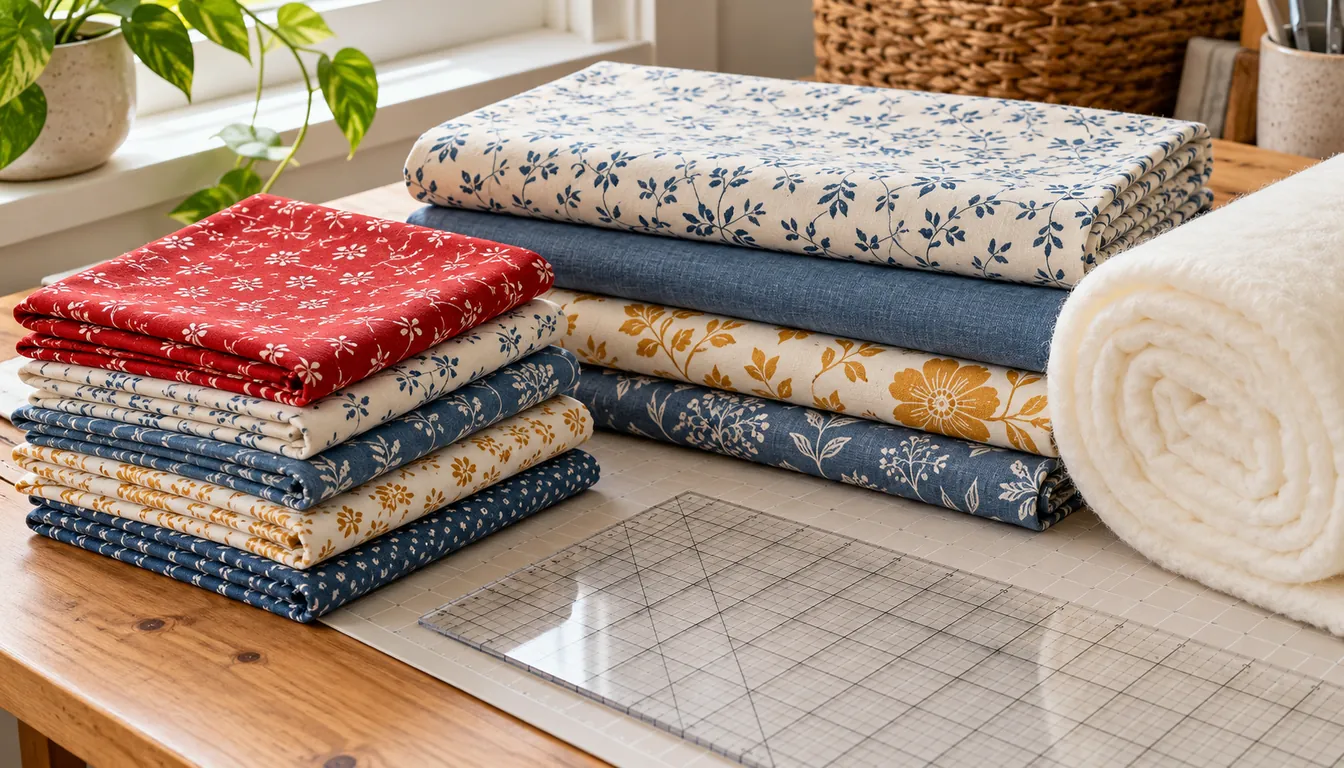
Quilt material usually means the cotton fabric used for a quilt top, but a complete quilt also needs backing, batting, thread and an edge finish. Start with quilting cotton and a simple square pattern. Work out each layer before shopping, so a pretty stack of prints becomes a quilt you can finish.
Choose the pattern first, then match the material to each job. Cotton yardage or precuts make the top; backing covers the reverse; batting fills the middle. Binding wraps the edge. Keep the cutting plan beside you when buying fabric, and measure the sewn top before cutting the final backing. The lap-quilt example below shows how the pieces add up.
Have unfinished quilts waiting for their next step? Use the UFO project planner to list 12 projects, set a monthly schedule and print a completion tracker.
What quilt material means: fabric, batting and notions
Think of the quilt as layers held together by stitches. Each item on the shopping list has a separate job.
- Quilt fabric: the cloth you cut and join into the visible top. Quilting cotton is a useful first choice because it presses well and is easy to handle.
- Flannel: a soft, brushed cloth you might choose for a cozy quilt. Test its wash care and shrinkage before pairing it with other fabrics.
- Backing: the cloth on the reverse. You can join ordinary yardage or choose wide backing that fits your top.
- Batting: the soft filling between the cloth layers. Its label sets the care rules and the largest allowed gaps between quilting stitches.
- Binding: strips of fabric folded around the raw outer edge. Reserve this fabric rather than using it all in blocks.
- Thread and notions: thread holds seams and quilting stitches; a ruler, cutter, mat, pins and marking tools help prepare the work.
Fabric shops such as Hancock's of Paducah separate cotton yardage, wide backing, precuts and notions. Use the same split for your list: top, back, middle, edge and tools. A bundle of matching prints fills only part of that list.
Choose quilting fabrics by project
For a first lap quilt, choose quilting cotton in similar weights. Put the prints together in daylight and check that light and dark pieces still look distinct. Small prints can be easier to cut freely; a large picture print may need extra cloth to keep its main motif whole.
For a soft flannel quilt, follow a pattern written for flannel and follow the fabric's care directions. For scraps, group pieces by thickness and stretch before sorting colors. A firm cotton square and a stretchy jersey square behave differently under the presser foot.
Yardage suits repeated strips, long borders and backing. Fat quarters suit patterns built from smaller rectangles and squares. Other precuts save some cutting, but check that their exact sizes match the pattern. A coordinated bundle is useful only if it supplies enough of each required piece.
How much quilt material to buy: a lap-quilt example
This example plans a nominal 42-by-54-inch quilt, with no borders and squares that finish at 6 inches. Assume a 1/4-inch seam allowance, 40 inches of usable cloth width after removing selvages, and nondirectional prints. These are planning choices for this example; check your own fabric width and pattern.
A yard is 36 inches. The basic yardage formula is total cut length in inches ÷ 36. Round up to the amount your shop sells, leaving room to straighten the cut edge.
Top: buy 2 1/4 yards across the prints
The layout needs 42 ÷ 6 = 7 squares across and 54 ÷ 6 = 9 rows. That is 7 × 9 = 63 squares. Add a seam allowance on both edges: 6 + 1/4 + 1/4 = 6 1/2 inches per cut square.
Across the assumed fabric width, 40 ÷ 6 1/2 = 6 whole squares, with a strip left over. The top needs 63 ÷ 6 = 10 1/2, rounded up to 11 strips. Their length is 11 × 6 1/2 = 71 1/2 inches, or about 1.99 yards.
Buy 2 1/4 yards, which is 81 inches, for some cutting room. One workable color split is 3/4 yard each of three prints. Each 27-inch piece yields four 6 1/2-inch strips, or 24 squares. Together they yield 72 squares, enough to select 63 for the layout. Plan that color layout before cutting.
Backing and batting: plan for 51 by 63 inches
The sewn top's raw outer size is 42 1/2 by 54 1/2 inches before the edge is finished. For this home-quilting example, allow 4 inches beyond each edge: 42 1/2 + 8 = 50 1/2, and 54 1/2 + 8 = 62 1/2. Round that up to a 51-by-63-inch backing and batting target.
With 40-inch usable backing, cut two panels 51 inches long. Join their long edges with a 1/2-inch seam allowance on each panel: 40 + 40 - 1 = 79 inches wide. Turn that 79-by-51-inch piece to make a 51-by-79-inch back, then trim to 51 by 63. The purchased length is 2 × 51 = 102 inches; 102 ÷ 36 = 2.83 yards. Buy 3 yards, or 108 inches.
Choose batting that can supply the same target rectangle. If sending the quilt to a longarm service, get its margin rules before buying either layer. Its required extra fabric may differ from this example.
Binding: buy 1/2 yard
Use the raw top dimensions to allow enough binding around the edge: 2 × (42 1/2 + 54 1/2) = 194 inches. For this example, add 20 inches for corners, the final join and handling: 194 + 20 = 214 inches of joined binding.
For 2 1/2-inch-wide double-fold binding, six 40-inch strips give 240 inches before joining. Five diagonal joins use about 5 × 2 1/2 = 12 1/2 inches, leaving about 227 1/2 inches. That exceeds the 214-inch target. Six strips need 6 × 2 1/2 = 15 inches of fabric length; 1/2 yard = 18 inches leaves room to straighten edges.
The example's cotton shopping total is 2 1/4 + 3 + 1/2 = 5 3/4 yards, plus batting and thread. Buy extra if you plan to prewash and expect shrinkage, match large motifs, add borders or make practice blocks. The cutting layout, rather than the quilt's area alone, decides yardage.
Start here: from fabric to a finished quilt
Follow a short path: pick a square-based pattern, check the cutting list, sew a practice block, then piece the top. Measure it before preparing the back. Baste the layers so they stay together, quilt through them, and bind the edge.
- Quilt making for beginners: learn the terms before planning your supply list.
- Beginner quilt: choose a manageable first project and fabric layout.
- How to make a quilt: follow the full sequence from cutting to finishing.
- Simple quilt patterns: compare layouts with easy-to-repeat pieces.
- Machine quilting for beginners: plan how to move the layers under your needle.
Keep the free sewing checklist kit with your project list so you can check the basic tools before shopping.
Patterns and blocks for your quilt fabric
Choose a pattern that lets the fabric do the work. Squares and strips give you a clear cutting plan; triangles add angled edges to handle with care.
- Quilt patterns: choose a layout by piece size and sewing steps.
- Free quilt patterns: find a project and check its supply requirements.
- Free beginner quilt patterns to download as PDFs: keep printable directions beside your sewing space.
- Free quilt patterns for beginners: narrow the choice to simpler construction.
- Patch quilt patterns for beginners: plan a top from small fabric pieces.
- Patchwork quilt patterns: work through square-based layouts and matching units.
- Square quilt patterns: put repeated cuts into a tidy grid.
- Rail fence quilt pattern: arrange strip blocks for a different look.
- Quilt blocks: understand the units that form the top.
- Beginner quilt blocks: practice a block before committing your yardage.
- Free quilt block patterns: choose units to repeat or combine.
- Half-square triangle quilt patterns: turn paired triangles into repeat layouts.
- Star quilt patterns: compare star layouts before cutting points.
- Lone Star quilt: plan the angled piecing for a large central star.
- Fat quarter quilt patterns: match a fabric bundle to suitable cuts.
- Quilt patterns using fat quarters: plan how to use each piece efficiently.
- Patterns in quilts: see how placement affects the larger design.
- Quilt quilting patterns: choose stitched lines for the pieced top.
How-to guides: quilting and binding
Choose the finishing method before assembling the layers. That choice affects the batting, thread and working room you need.
- Hand quilting: prepare for stitching through the layers by hand.
- Free-motion quilting: practice moving the layers under the needle to sew curves and other stitch paths.
- Quilt as you go: work on smaller sections before joining the whole.
- Binding: understand the strips that cover a quilt's edge.
- Binding a quilt: plan the edge finish and corners.
- How to bind a quilt: follow the attachment and final joining steps.
- Machine binding a quilt: finish the edge using your sewing machine.
Machines for piecing and quilting
Start by checking the machine you own. Piecing small blocks and moving a bulky quilt through the arm space are different jobs.
- Sewing machine for quilting: match machine features to the work you plan.
- Quilting machines: compare the main machine types.
- Quilting sewing machines: weigh quilting features alongside everyday sewing.
- Beginner quilting machines: focus on useful first-project controls.
- Brother quilting sewing machines: compare options within the brand.
- Singer Patchwork: check the named machine against your sewing plans.
- Longarm: learn how this quilting setup works.
- Long-arm quilting machine: weigh space and workflow before choosing one.
- Sewing machines for quilting at home: compare reviewed domestic machine choices.
- Quilting machines for beginners at home: compare first-machine trade-offs.
For other projects, visit sewing machines and sergers to match the machine to the task.
Supplies, batting and quilting material
Check what you already own before buying a full kit. Add tools when the cutting or finishing plan calls for them.
- Quilt fabric material: choose cloth for the top and reverse.
- Batting: compare the filling's feel, care and stitching needs.
- Batting fabric: distinguish quilt filling from the cloth around it.
- Cotton quilt batting: check whether cotton filling suits the project.
- Quilt batting by the roll: plan storage and cutting for repeated projects.
- Quilting supplies: build a project-based shopping list.
- Quilting tools: choose tools for cutting, marking and joining.
- Quilt ruler: match ruler markings and size to your cuts.
- Quilting templates: prepare repeat pieces and check print sizing.
- Quilting needles: match the needle to the stitching job.
- Quilting thread: select thread for piecing and quilting.
Baby and gift quilts
Choose the intended use before choosing a size or cloth. Check the recipient's care needs as well as the pattern.
- Baby quilt: plan a small gift around use and washing.
- Baby quilt patterns: compare layouts for a baby gift.
- Crib quilt: check dimensions, intended use and care before sewing.
- Christmas quilt patterns and holiday quilts: plan seasonal prints and repeat blocks.
Quilt pictures, scraps and project ideas
Save a layout idea, then find directions with a cutting list. A photograph alone cannot tell you seam allowances or fabric quantities.
- Quilt pictures: compare color placement and layouts visually.
- Scrap quilts: sort leftover cloth into a workable plan.
- Quilts using scraps: match small leftovers to useful pieces.
- A Quilting Life: build a sewing routine with small projects and steady practice.
- Missouri quilt tutorials: choose a tutorial to follow at your machine.
- Eleanor Burns Quilt in a Day: find the named pattern and teaching range.
Verdict on quilt material for a first project
Buy quilt material from a cutting list: cotton for the top and back, suitable batting, and reserved fabric for binding. A small square quilt lets you learn each step with repeat cuts. Check fabric width, make a sample seam, and measure the sewn top before you cut the final layers.
Our picks in this topic
3 picks
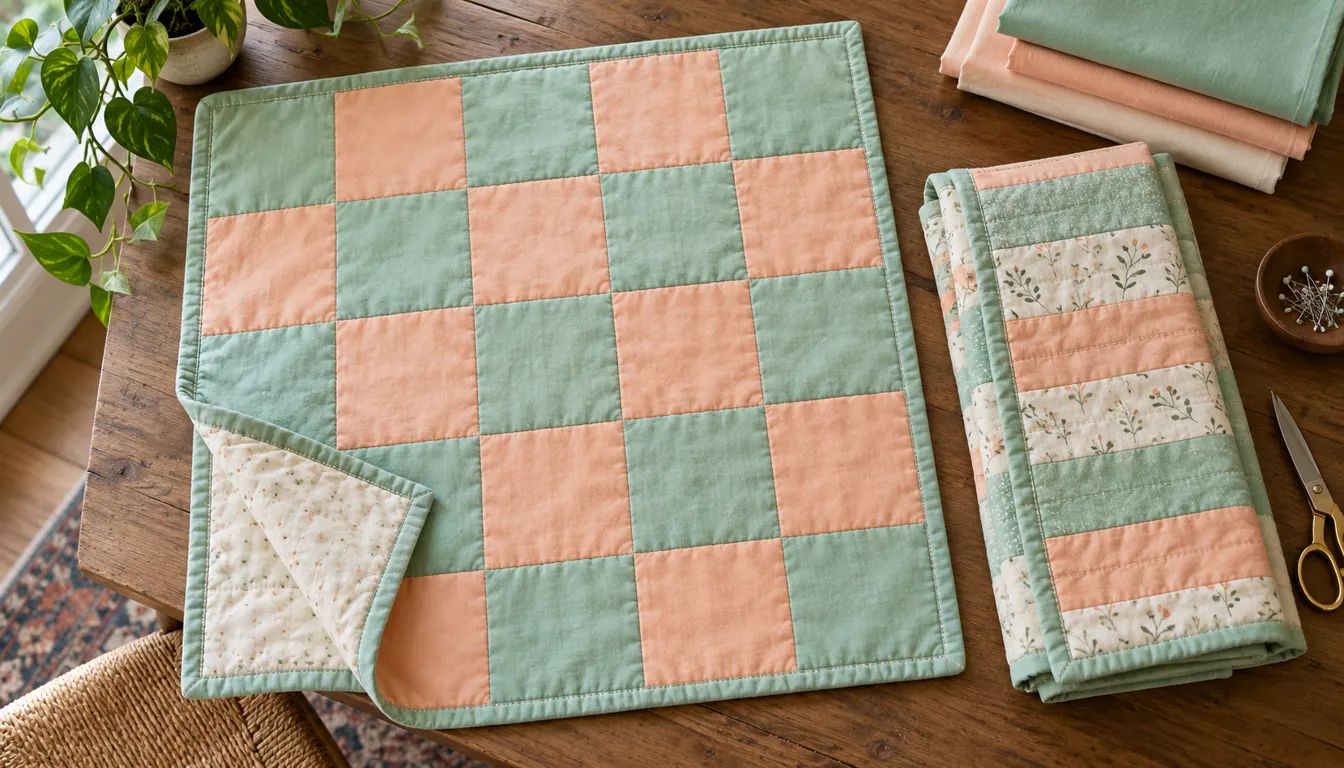
Baby Quilt Patterns: Squares, Bars and Free Sources
Compare a 30-inch-square baby quilt with a five-bar layout, follow the cutting math and find free patterns from quilt publishers.
3 picks
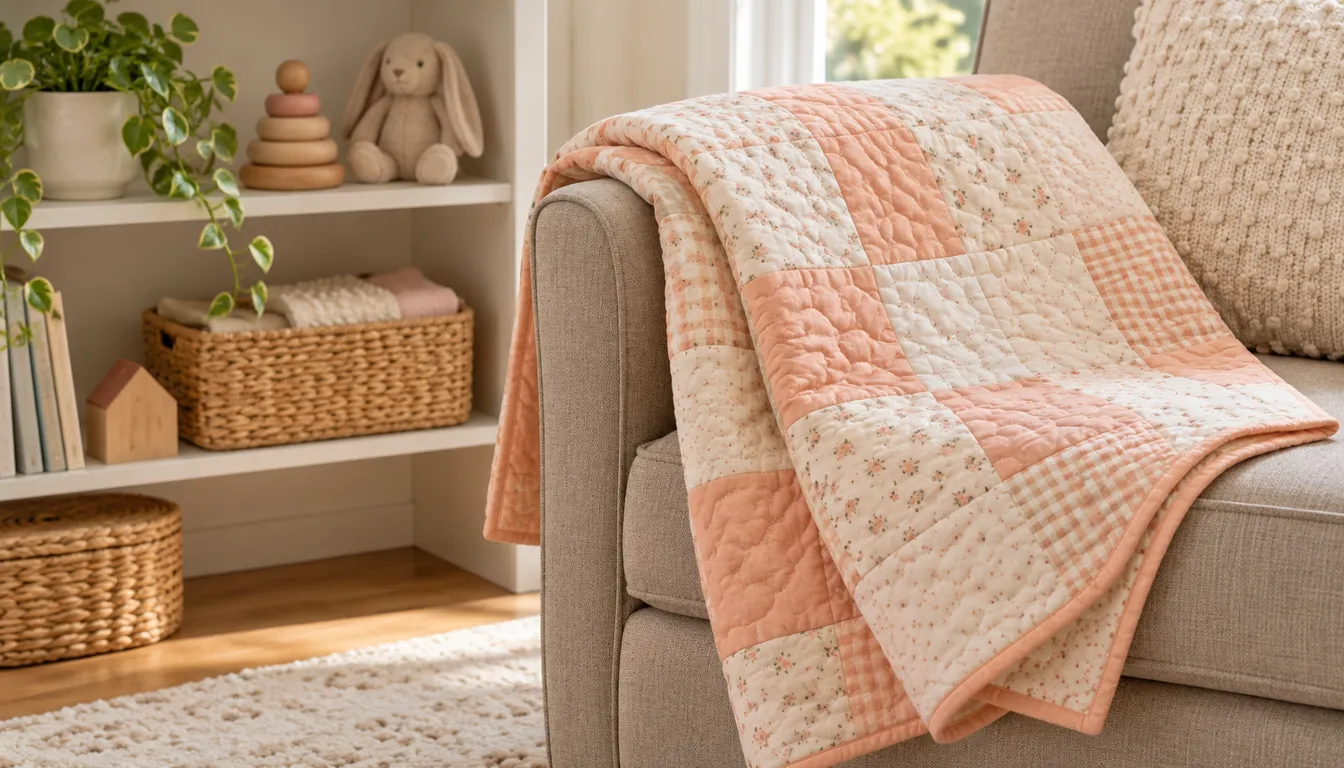
Baby Quilt: Plan a Useful Handmade Gift
Plan a baby quilt gift with a 30-by-42-inch square-grid layout, washable materials, useful sewing supplies and clear care instructions.
3 picks
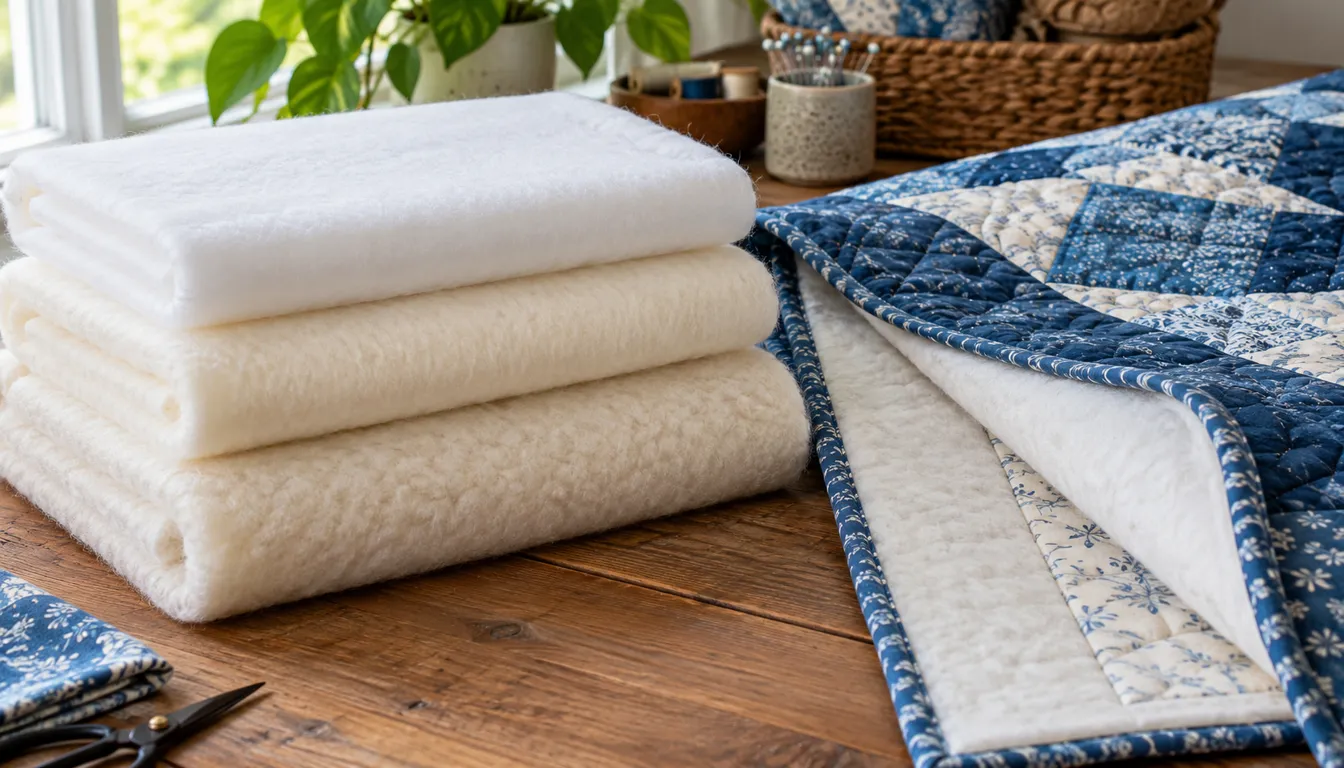
Batting for Quilts: Compare Fiber, Loft and Stitch Spacing
Choose batting by fiber, loft, stitch spacing and care. Compare the exact sizes with your quilt top plus the margin needed by your finishing method.
3 picks
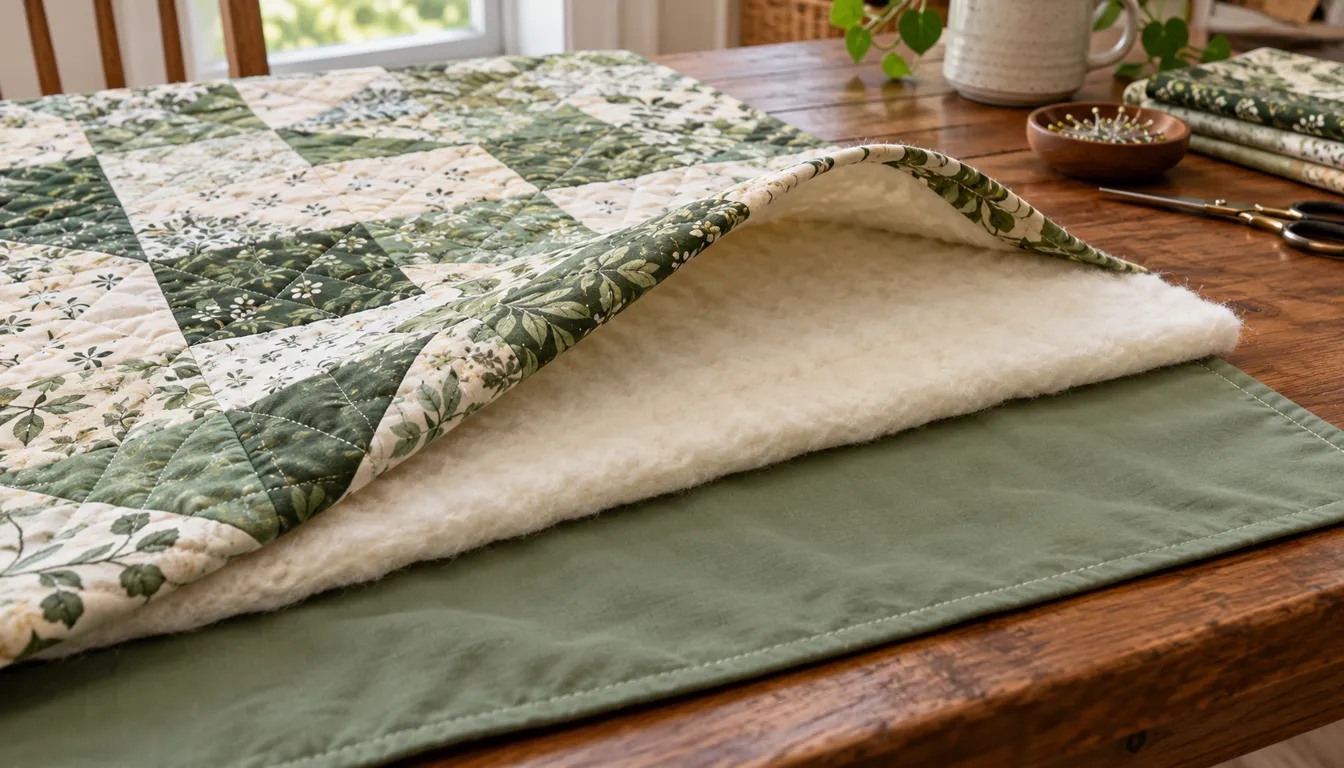
Batting Fabric: Name the Middle Layer Before You Buy
Learn the difference between batting and backing, then compare batting cuts, sheets and rolls by fiber, thickness and the size your quilt needs.
3 picks
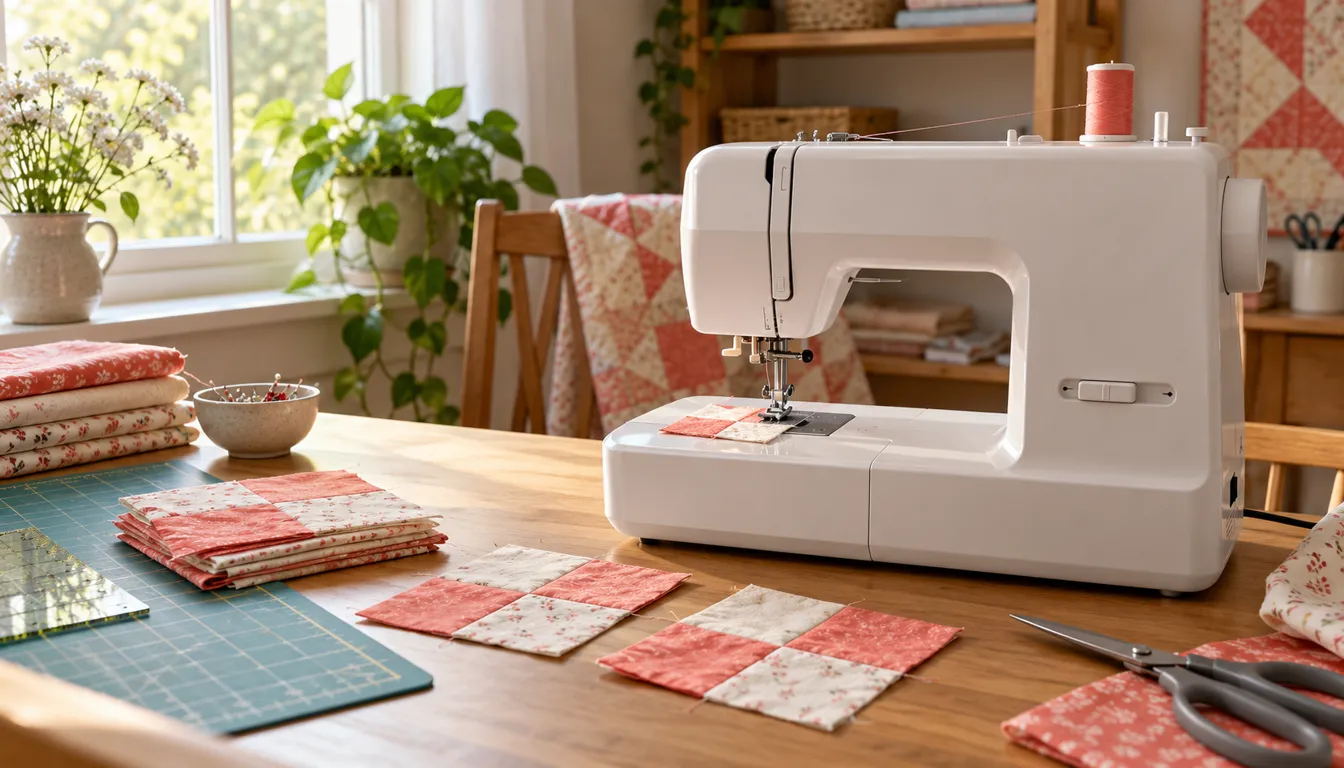
Beginner Quilting Machines: A First-Project Buying Guide
Compare first quilting machines by controls, table space and included feet. Use a four-patch block and a layered sample to try each setup.
3 picks
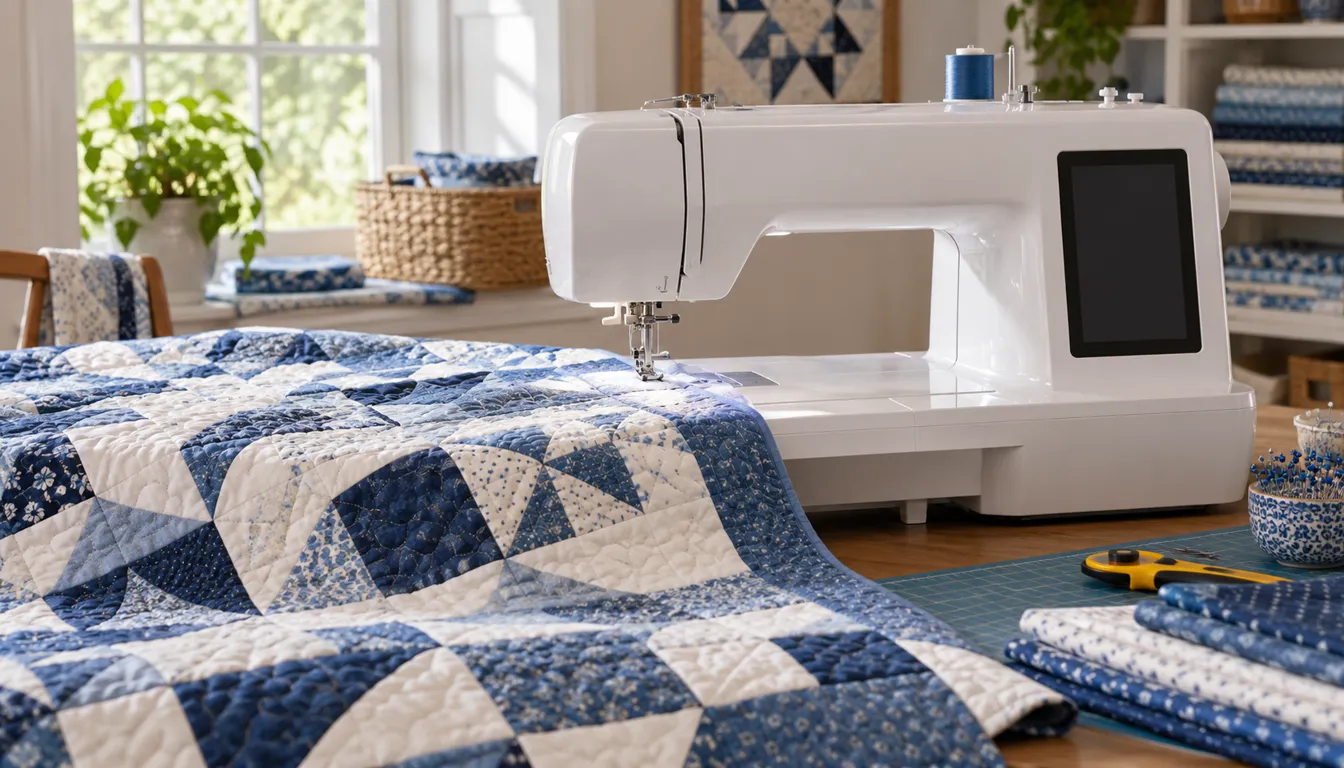
Brother Quilting Sewing Machine: Match the Model to Your Work
Compare Brother models by stitch system and workspace. A general sewing model and the straight-stitch PQ1600S serve different quilting desks.
3 picks
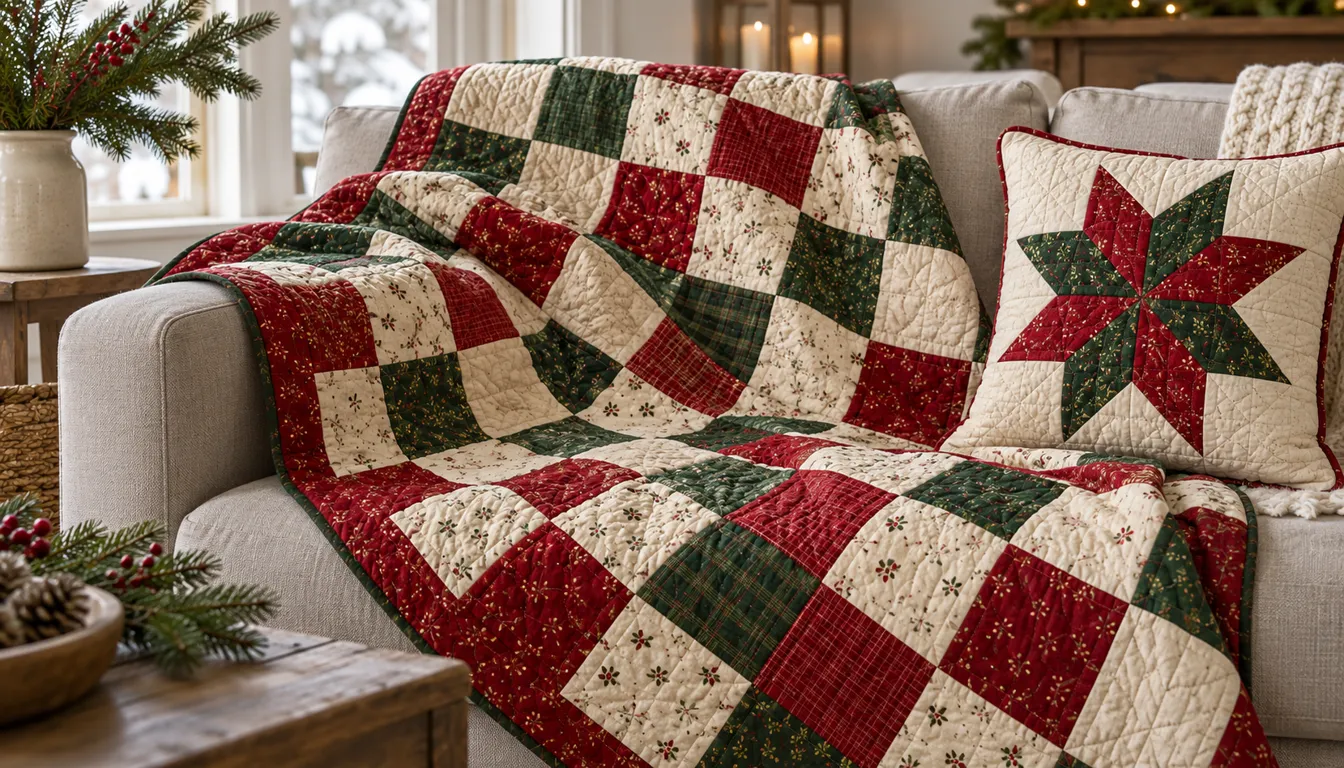
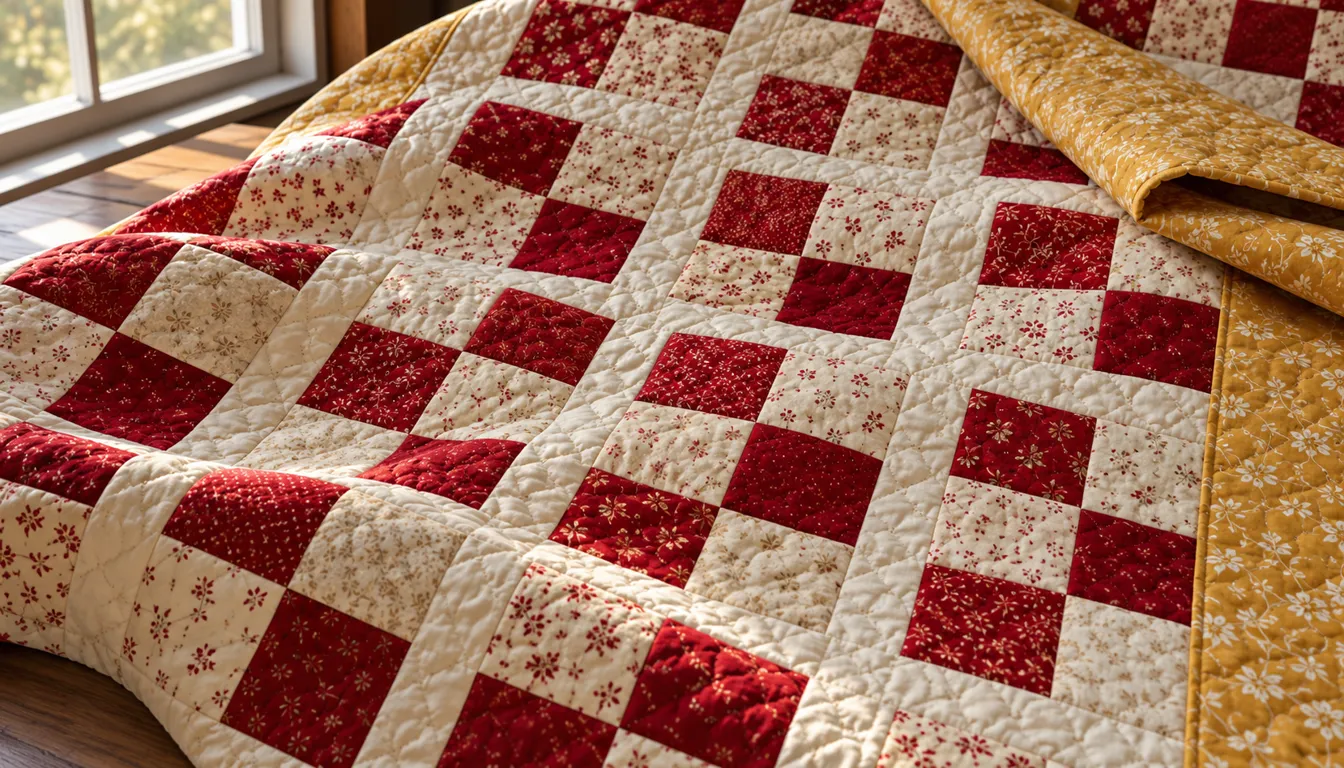
Christmas Quilt Patterns: Holiday Quilts in Red and Green
Sew a 30-by-42-inch Christmas checkerboard in red, green and cream. Follow the square counts, strip yields and row measurements.
3 picks
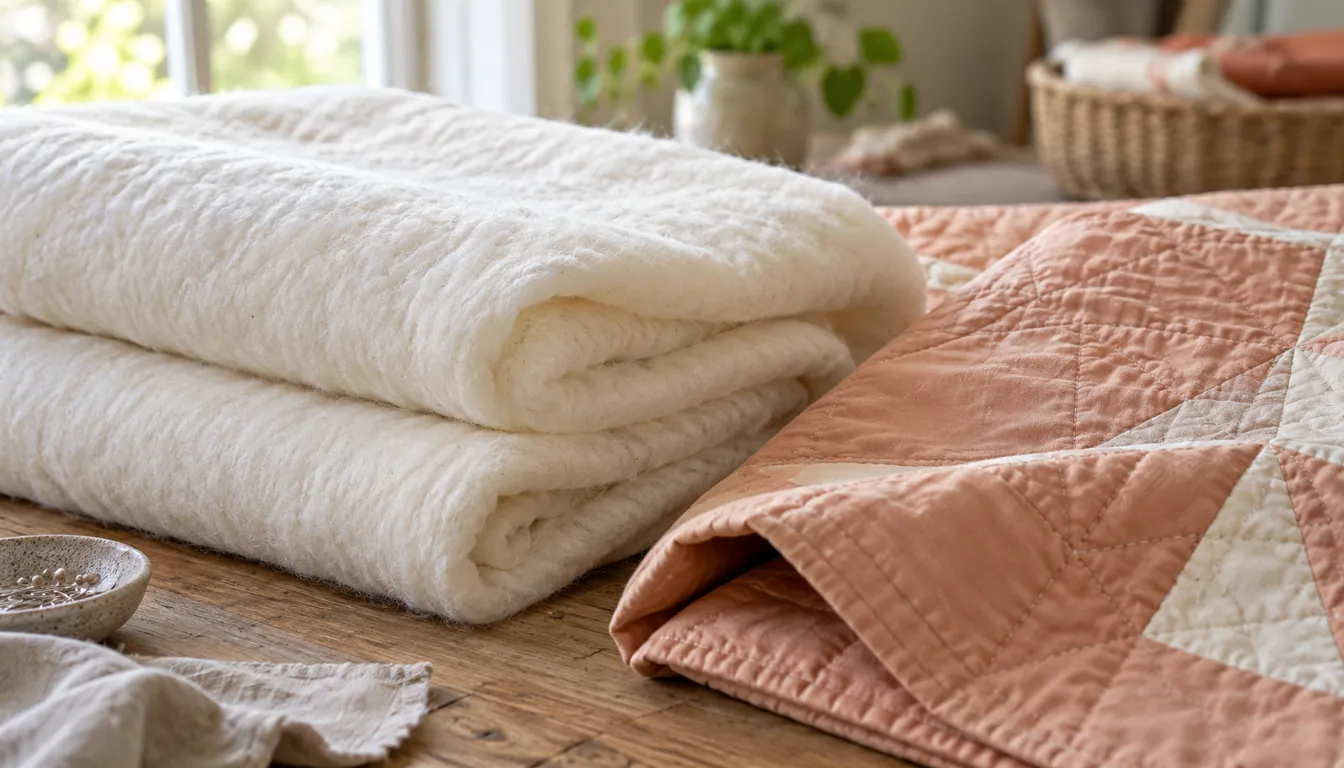
Cotton Quilt Batting: Purity, Scrim, Loft and Washing
Read the full cotton batting label, including scrim and blend details. Compare loft and a washed sample before choosing the middle layer for a quilt.
3 picks
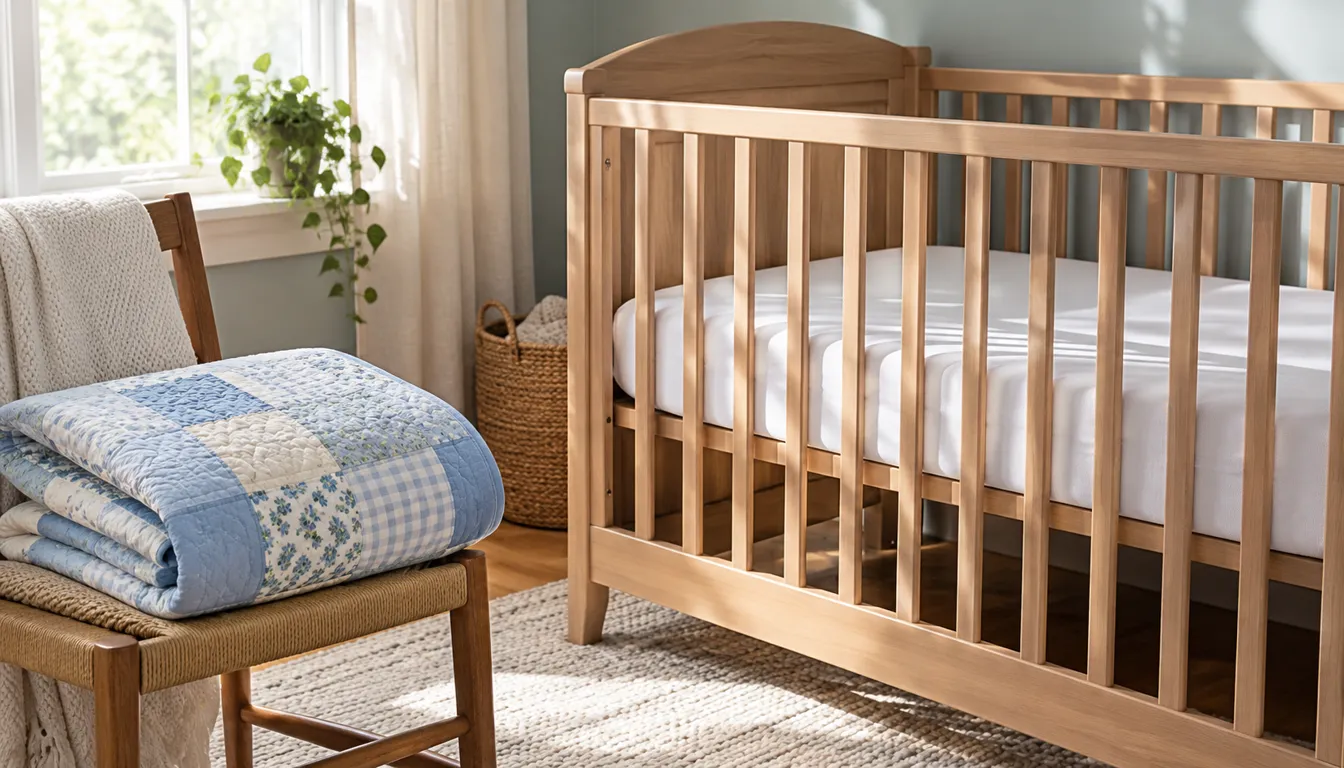
Crib Quilt: Size Planning and Sewing Supplies
Plan a 32-by-44-inch framed-panel nursery quilt, calculate its borders and choose thread, clips and hand-quilting needles.
3 picks
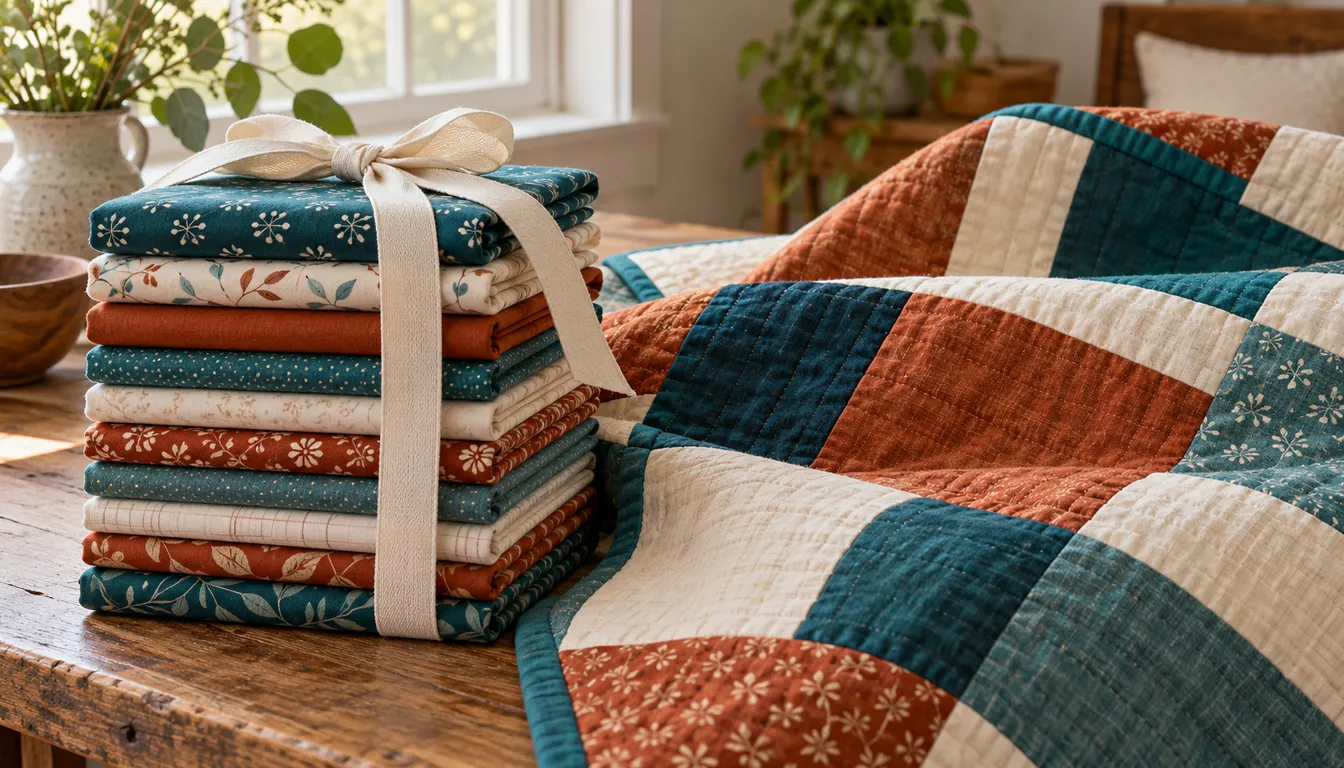
Fat Quarter Quilt Patterns: Choose a Bundle and a Layout
Choose a fat-quarter bundle by usable size and print contrast. Cut eight fabrics for a 40-by-48-inch quilt top with spare patches.
3 picks
Patterns in Quilts: Read the Shapes and Choose a Plan
See how repeated blocks and light-dark contrast create quilt designs. Turn four sample blocks into three layouts, then choose tools for the cuts.
3 picks
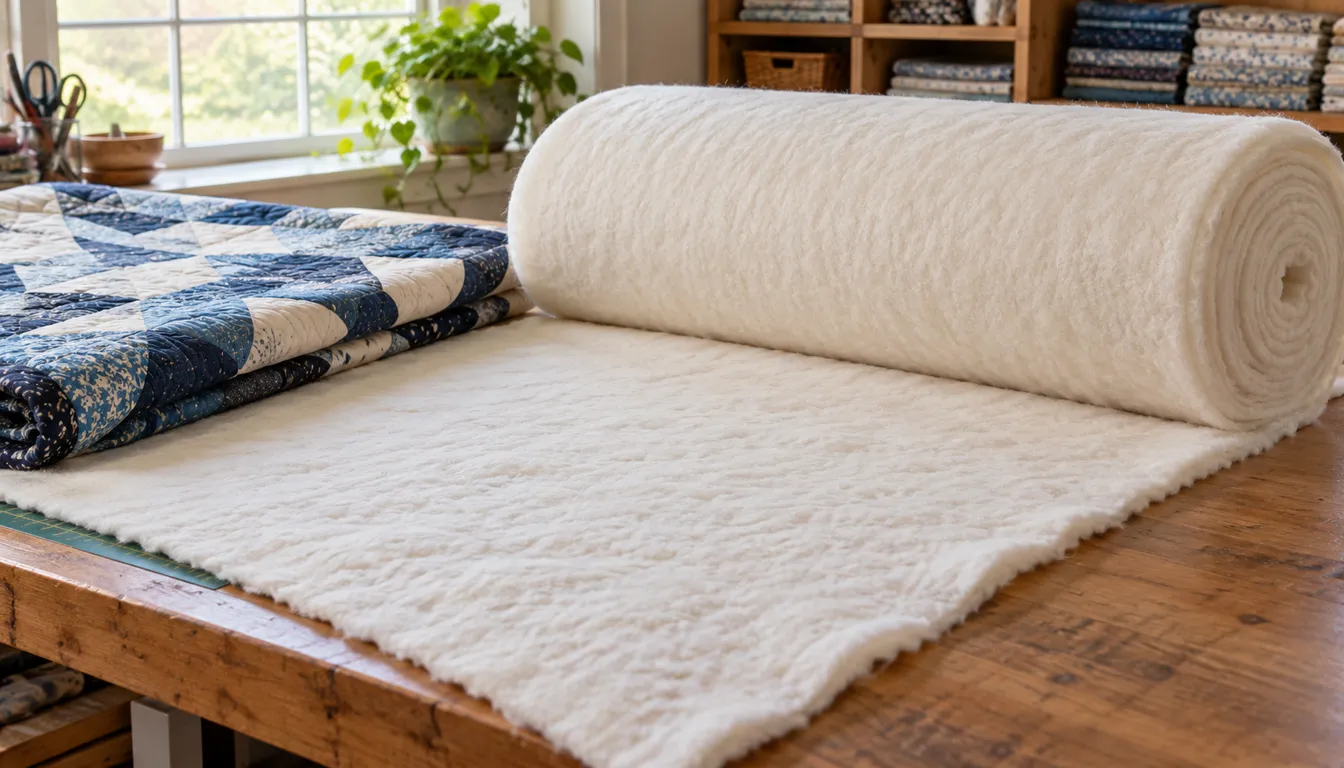
Quilt Batting by the Roll: Width, Cut Plans and Storage
Choose roll width from your usual quilt rectangles, then calculate cuts from linear length. Test the batting before committing to a large roll.
3 picks
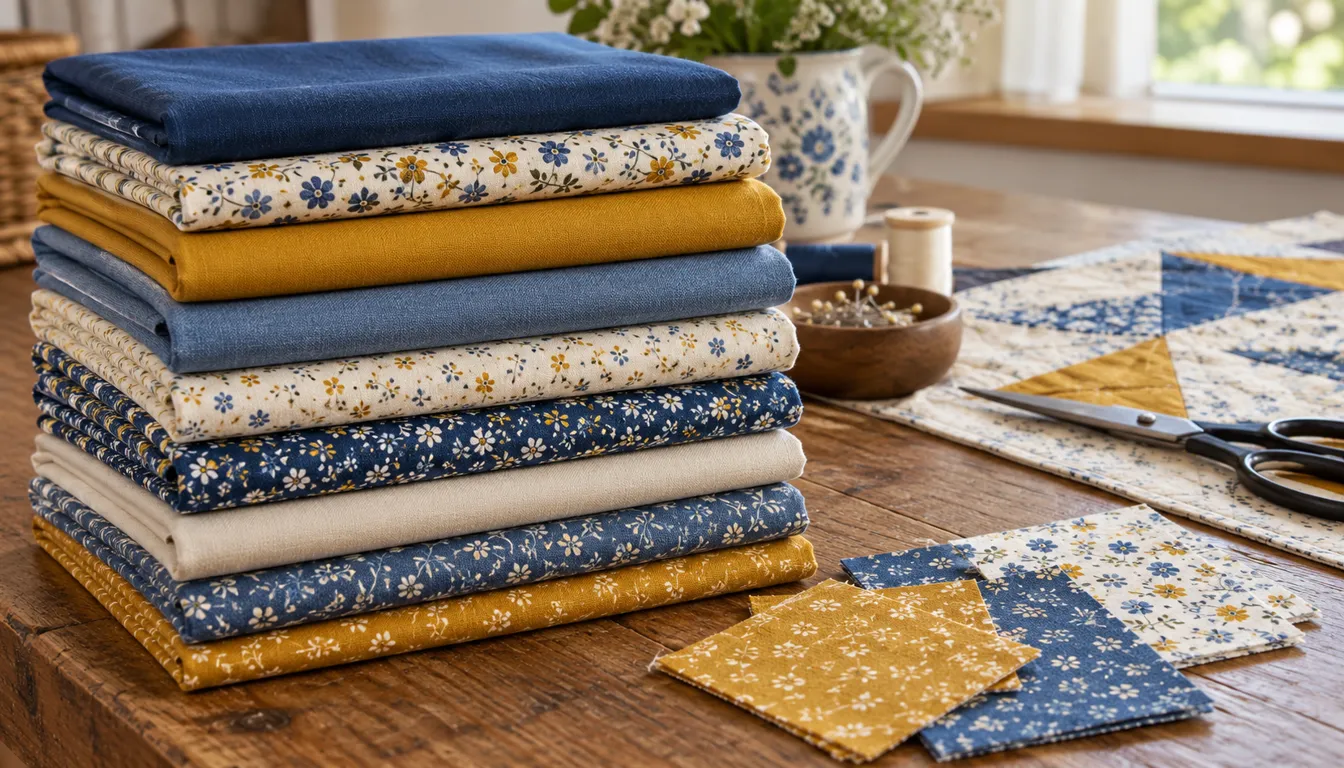
Quilt Fabric Material: Choose Cotton, Precuts and Yardage
Choose quilt fabric by fiber, usable width and the cut pieces your design needs. Separate top fabric, backing and binding before calculating yardage.
3 picks
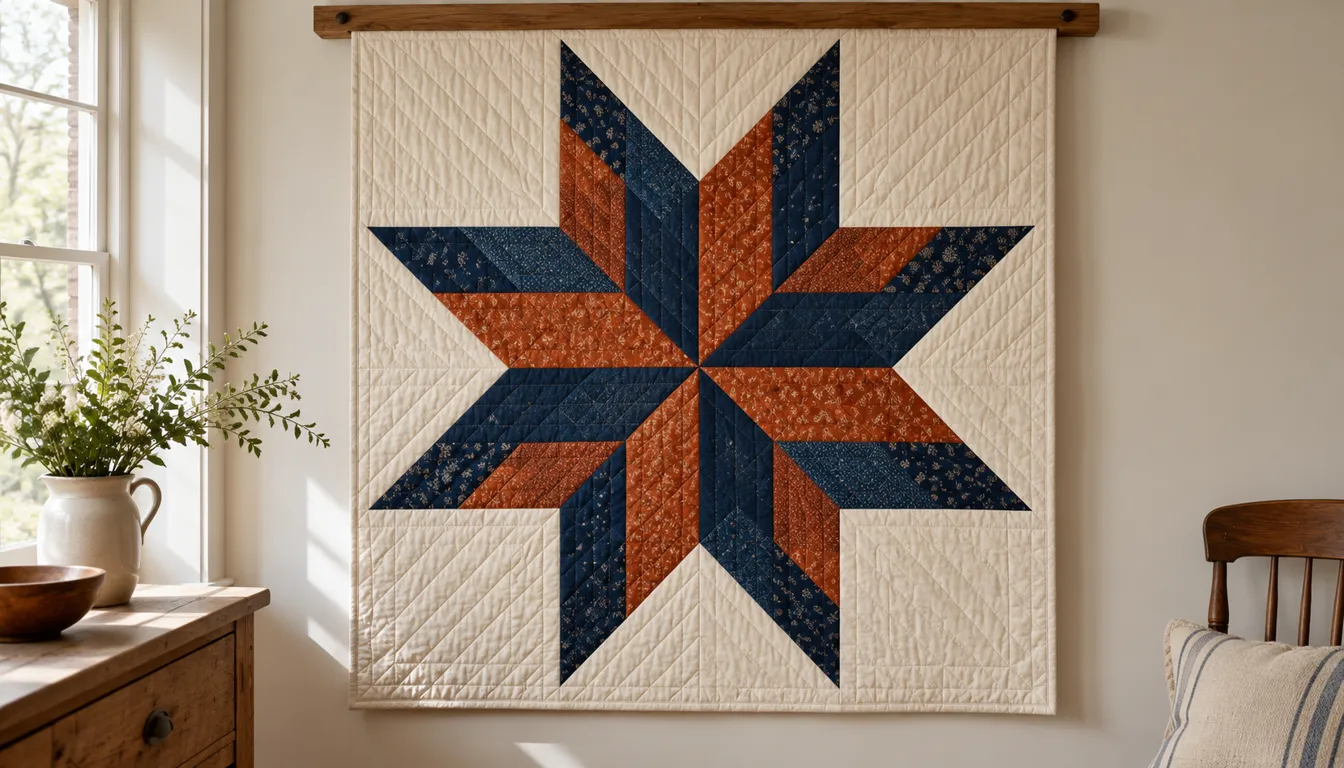
Quilt Patterns: Star Blocks for Beginners
Sew a Friendship Star from four triangle units and plain squares. Includes block cuts, rotations and a twelve-block quilt plan.
3 picks
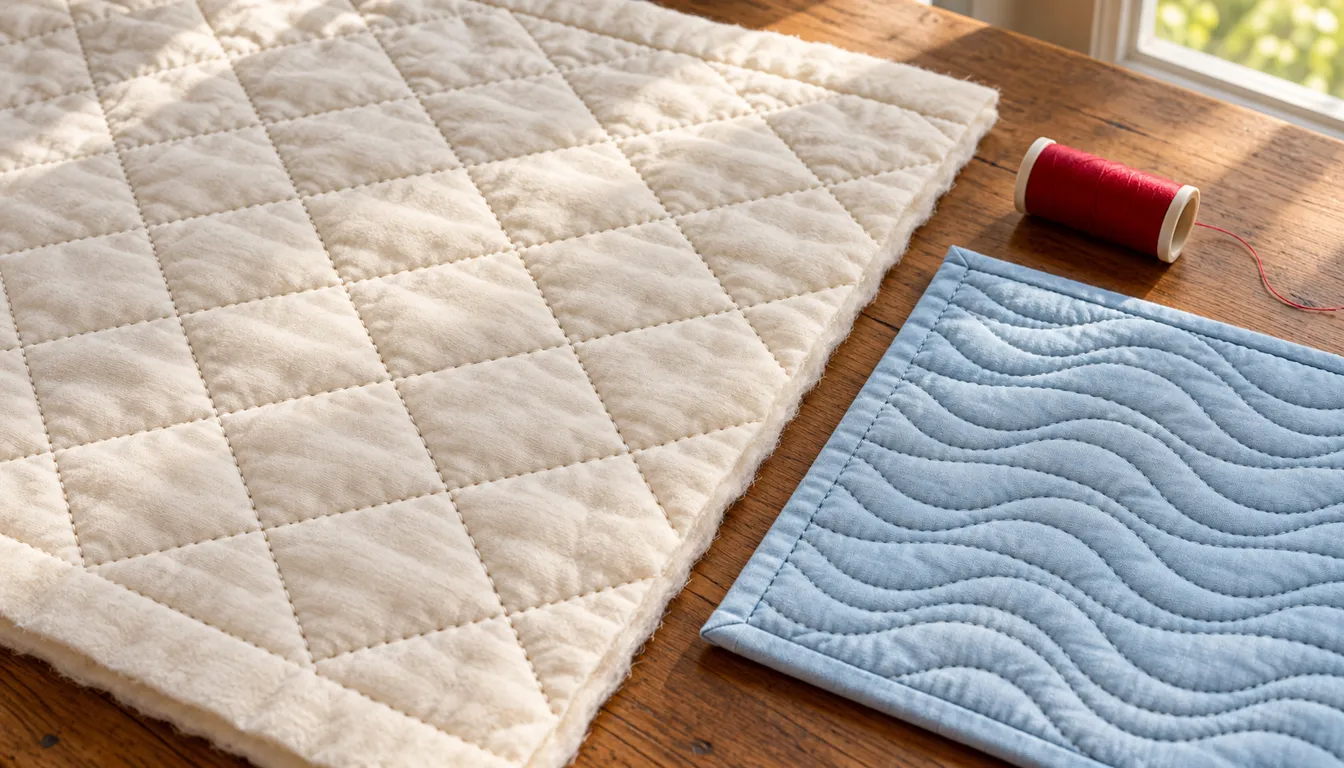
Quilt Quilting Patterns: Choose Lines for the Layers
Compare parallel quilting lines, grids and repeated motifs. Use an 18-inch paper plan to count lines and test spacing before marking fabric.
3 picks
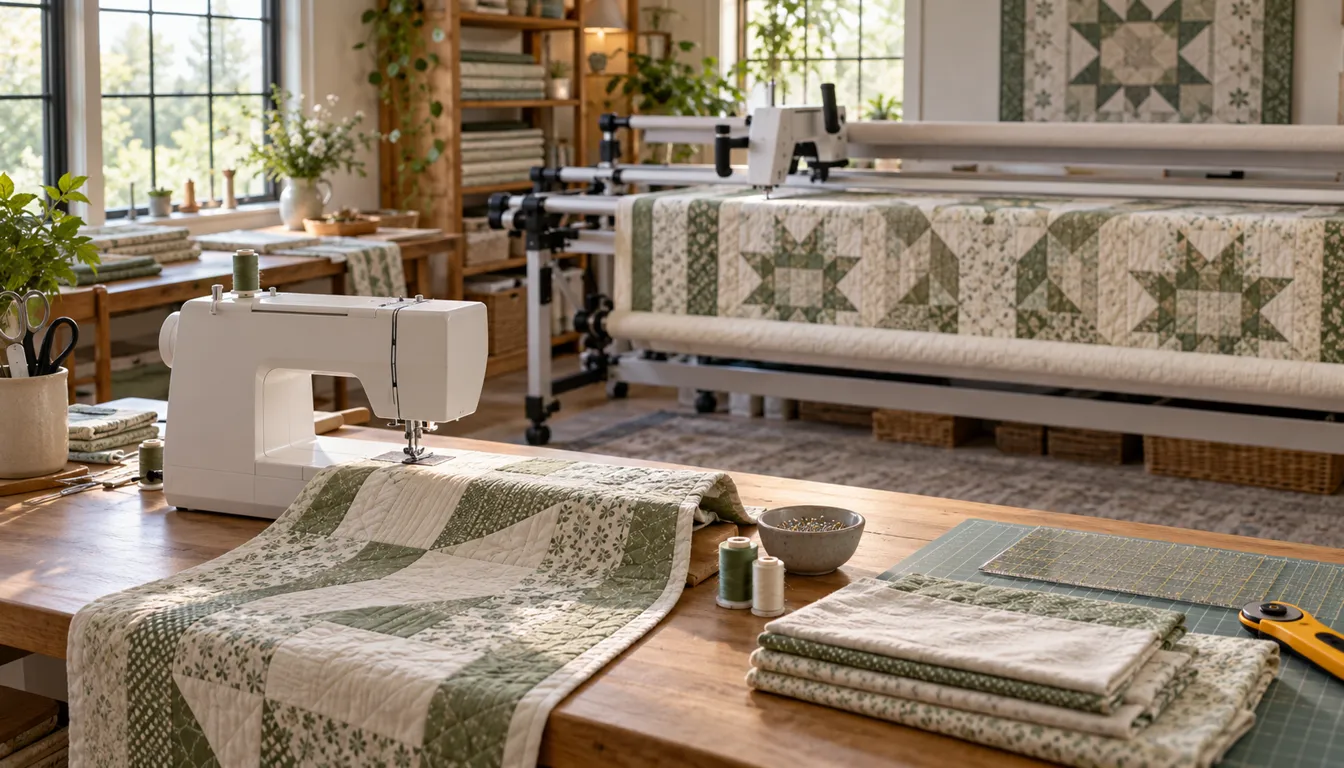
Quilting Machines: Domestic, Sit-Down or Frame?
Compare domestic, straight-stitch, sit-down and frame quilting machines by fabric handling, sewing tasks and the space each setup needs.
3 picks
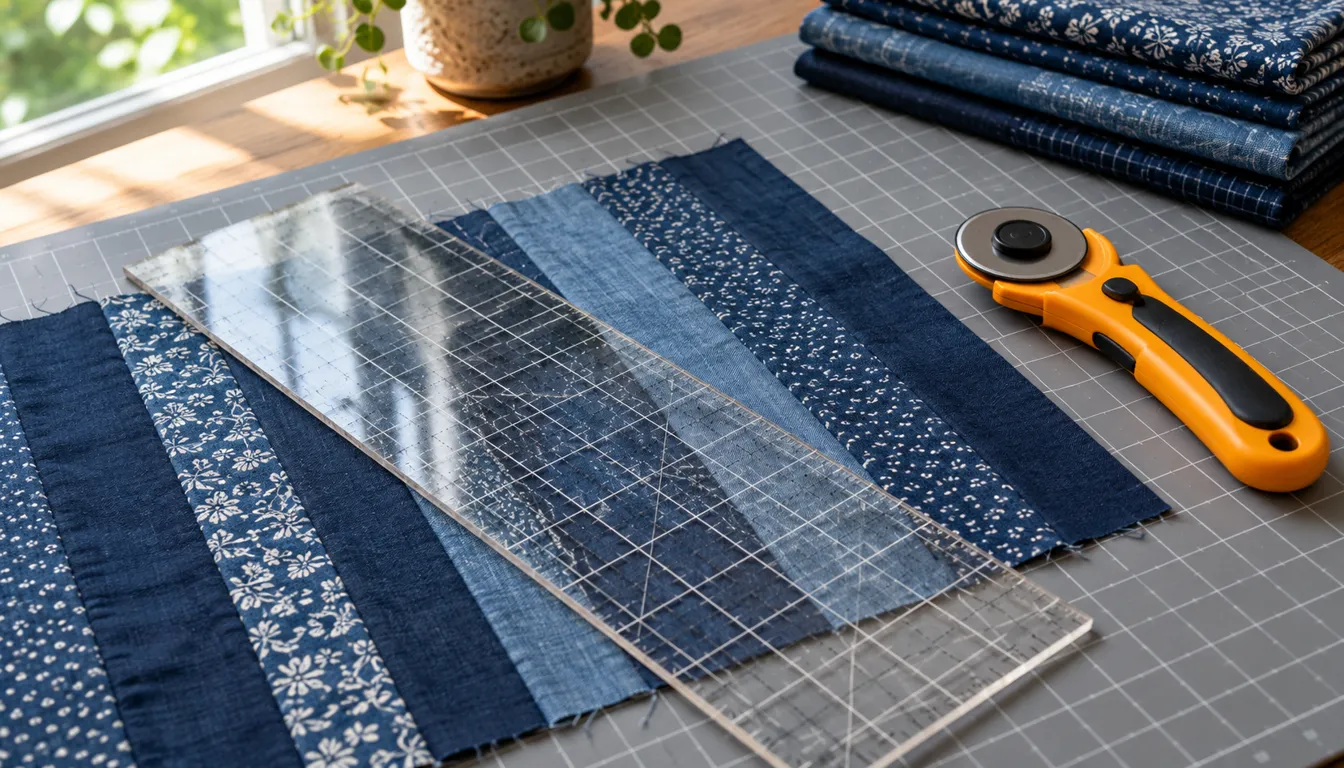
Quilt Ruler: Choose One for Cutting or Stitching
Choose a quilt ruler for the task: long edges for strips, squares for trimming, and matching machine templates for guided quilting.
3 picks
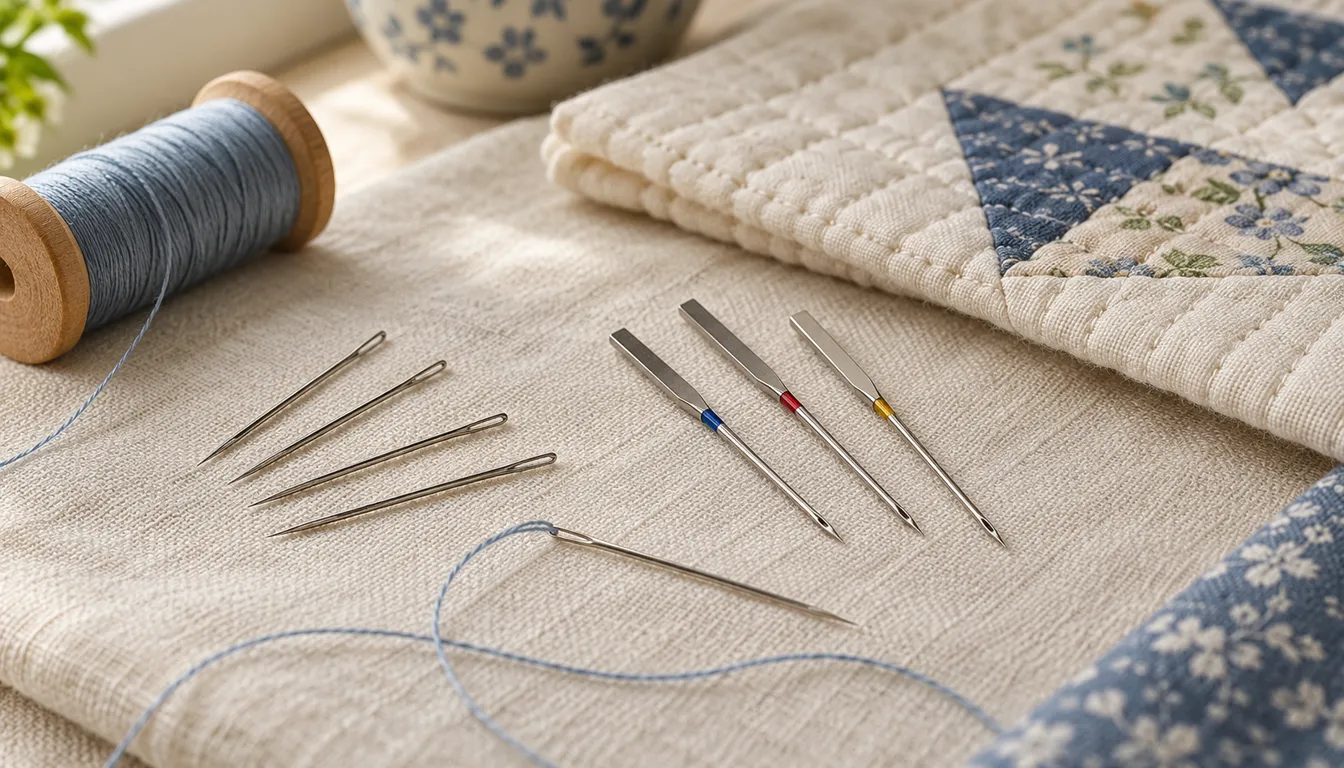
Quilting Needles: Hand Betweens and Machine Needle Choices
Choose hand needles and machine needles separately. Match a machine needle’s system, type and size to the manual, fabric and thread.
3 picks
Quilting Sewing Machines: Choose by the Work You Sew
Choose for piecing, layered quilting and everyday sewing first. Table space, useful controls and the right stitch system matter more than stitch count.
3 picks
Quilting Supplies: Build a Kit for One Complete Project
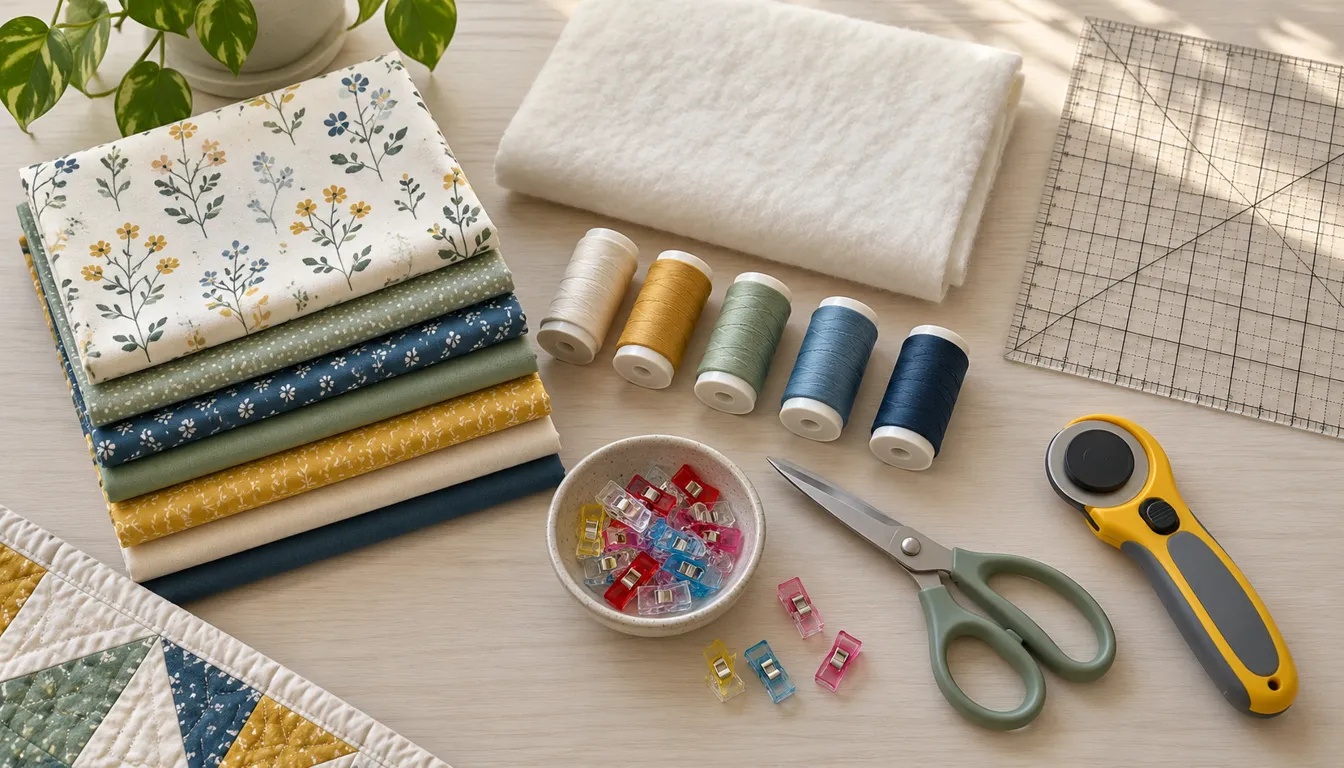
Buy supplies for cutting, piecing, layering and finishing one quilt. Check what you already own before adding specialist templates or large bundles.
3 picks
Quilting Tools: Fit the Cutter, Mat and Ruler to Your Desk
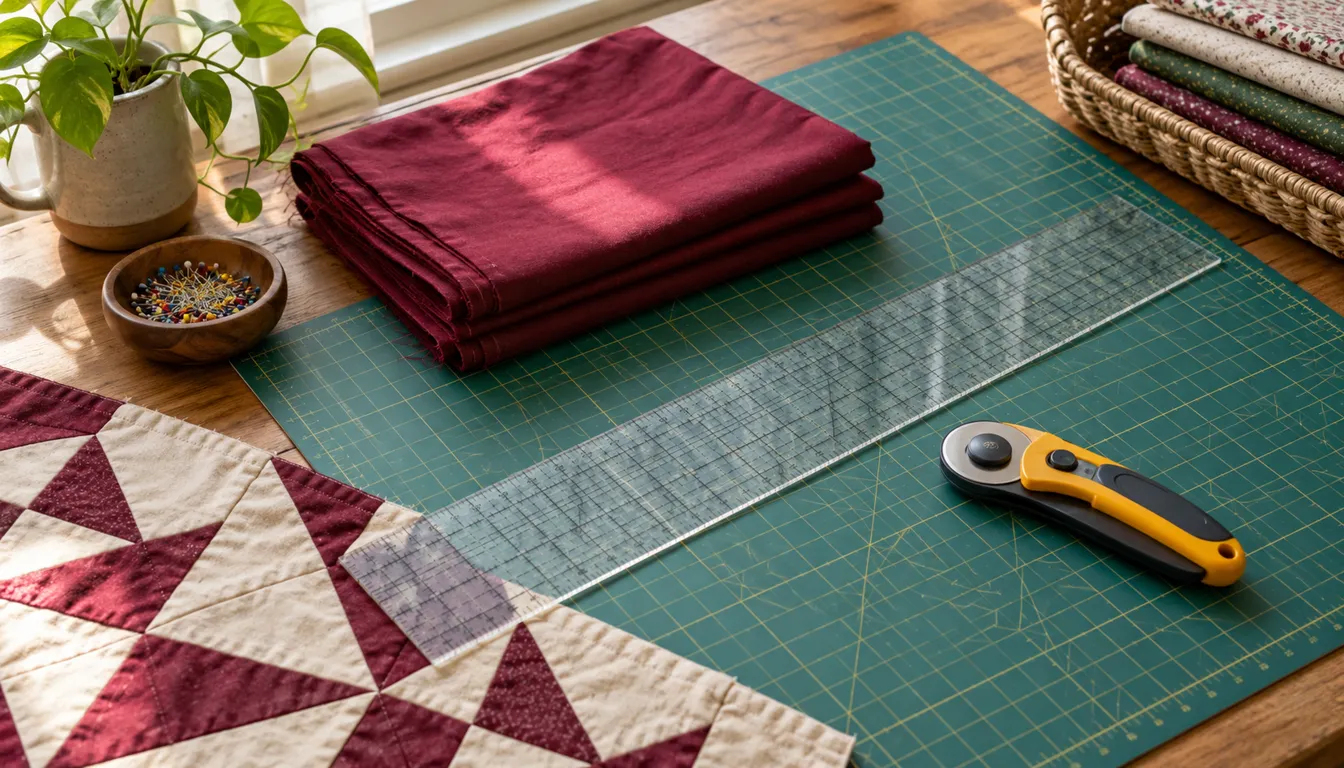
Match your cutting mat, ruler and rotary cutter to your table and project. Check the longest cut, readable markings and room for safe hand placement.
3 picks
Rail Fence Quilt Pattern: Three Strips and a 36-Inch Top
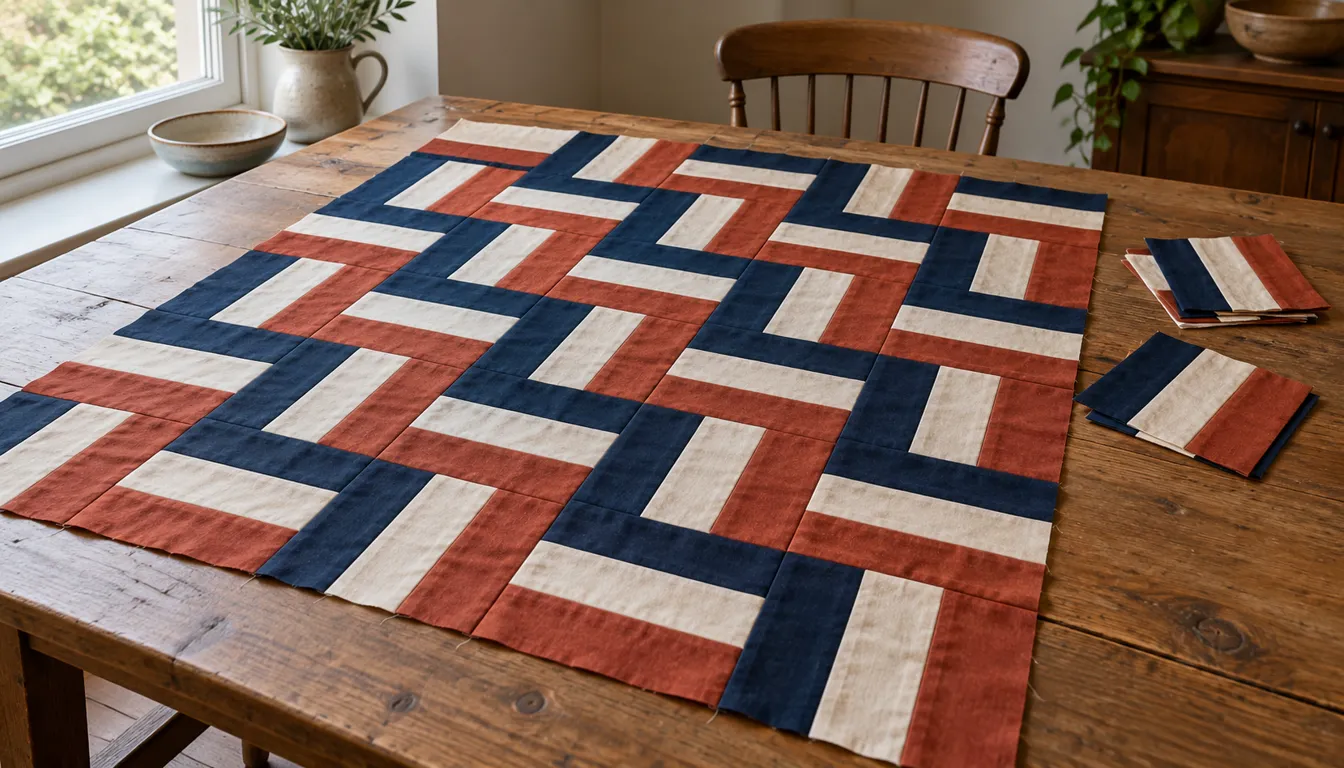
Make a three-rail fence quilt from strips. Check strip-set width, crosscut yield and block direction for a 36-inch square top.
3 picks
Sewing Machine for Quilting: Check Yours Before Upgrading
Test your current sewing machine with a measured seam and a quilt sandwich. Find out whether better table space or a machine upgrade will help.
FAQ
Is quilt fabric different from regular cotton?
Quilting cotton is cotton cloth sold for patchwork and similar sewing. Cotton also comes as stretchy knit, light lawn and heavy canvas. Check the fabric type as well as the fiber name. For a first quilt, use quilting cotton of a similar weight throughout the top.
Can I make a quilt from old clothes?
You can use clothing fabric in a quilt. Sort it by thickness and stretch, then test a small block before cutting the rest. Cotton shirts are simpler to piece than stretchy T-shirts. Keep worn or thin spots out of pieces that will take strain at a seam.
What quilting material goes in the middle?
Batting fills the space between the quilt top and backing. Cotton, polyester, wool and blends give different weight and puffiness. Read the package for care and how far apart the quilting stitches may be. Match those directions to the way you plan to finish and wash the quilt.
Should I buy a quilt kit or choose yardage?
A kit can simplify matching fabric to a pattern. Read its contents before ordering: backing, batting and binding may need separate purchases. Yardage lets you choose each print and reuse fabric you own. In either case, check the cutting list before you buy and keep the fabric labels.