As an Amazon Associate, this website earns from qualifying purchases.
The short answer
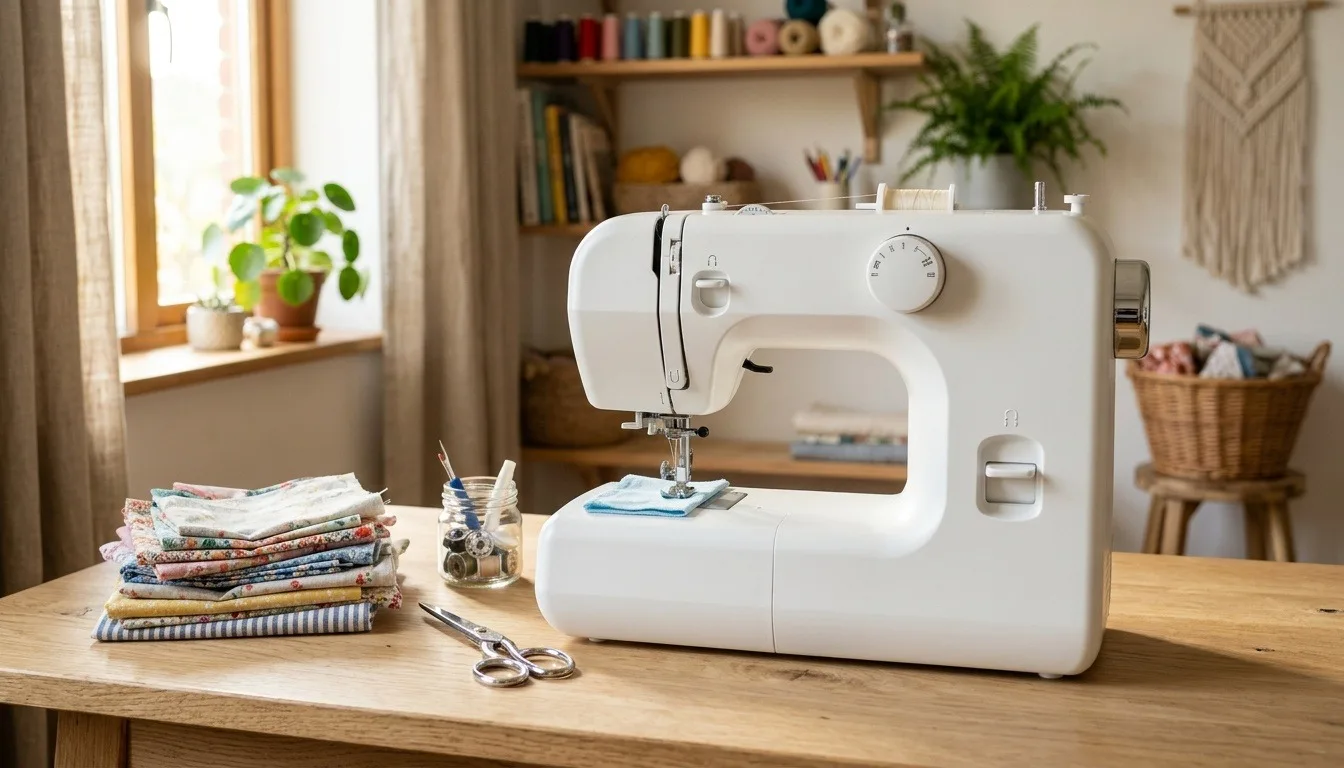
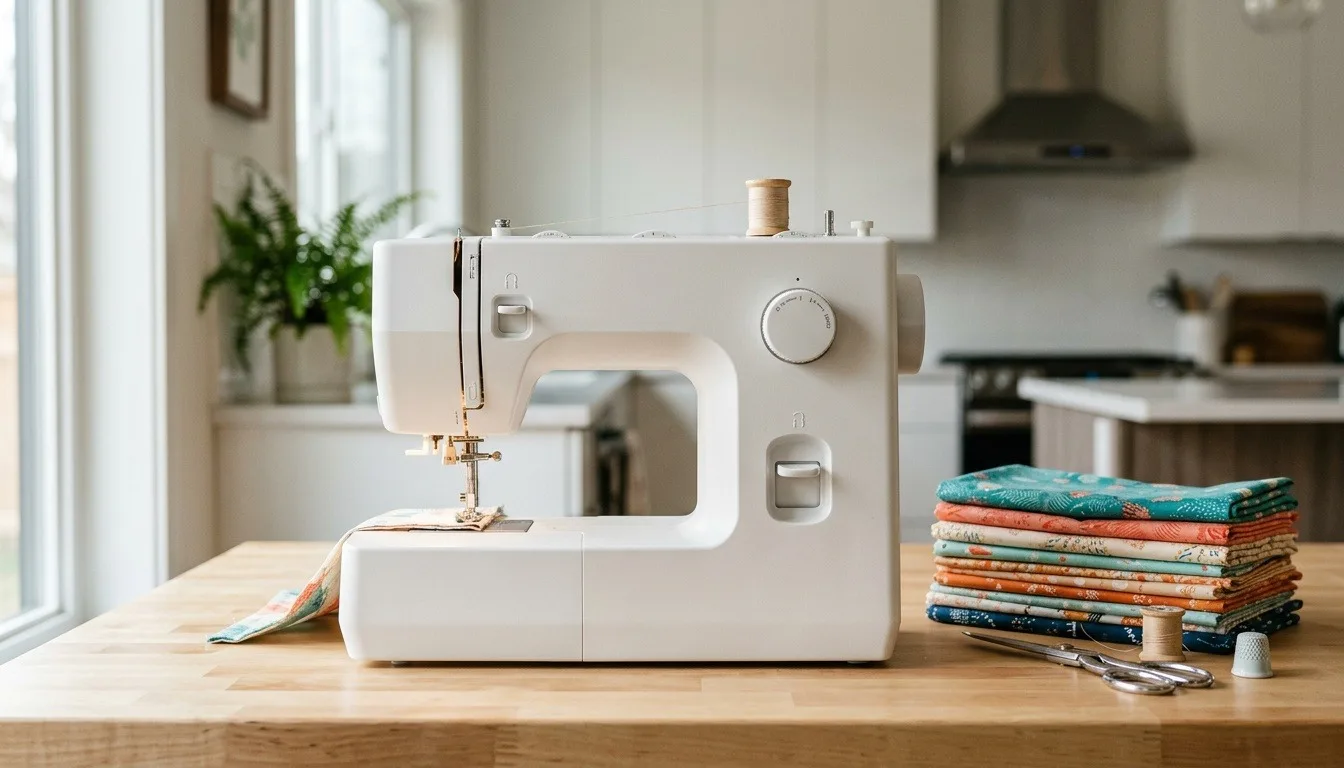
Most first-time sewists do best with a simple mechanical machine like the Brother XM2701. Choose the SINGER Heavy Duty 4423 for denim and canvas, and skip computerized features until you know you will use them.
Your first sewing machine shapes every project after it. A frustrating machine is one of the most common reasons new sewists give up. Each of these five widely sold machines solves a different starting problem, from the simplest controls to thick denim. We have not tested them ourselves.
Details come from each maker's listing. After the picks, read how to choose the controls and features that suit your sewing. Links lead to more detailed guides for each machine type.
27 built-in stitches, including blind hem and stretch
Auto-size buttonhole
Automatic needle threader and drop-in top bobbin
Free arm with 6 sewing feet included
Keep in mind: a lighter machine that can struggle with many layers of denim.
Product details checked September 2026
The linked XM2701 package includes a six-pack of sewing thread and five sewing-machine needles.
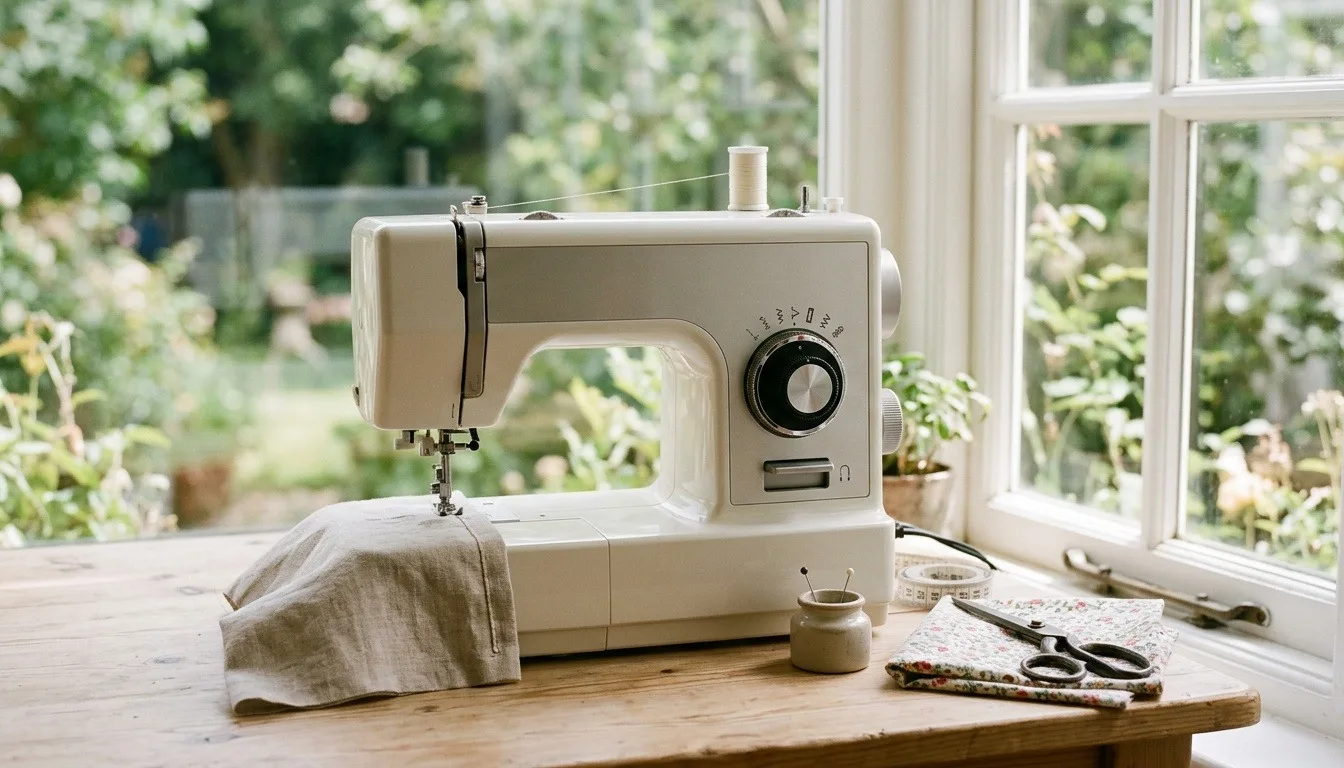
Brother lists 27 built-in stitches and an auto-size buttonhole. It has an automatic needle threader and a drop-in top bobbin on a free-arm machine. That covers garments, home projects and light quilting. So it suits most first-time sewers. Our beginner sewing machine guide matches it and five other machines to different first projects.
#2. SINGER Heavy Duty 4423 Meltwater Blue: best for thicker fabric
Linked offer is the Meltwater Blue version with accessories
Keep in mind: its high maximum speed is not proof of better sewing through bulky seams.
Product details checked October 2026
The linked offer is the Meltwater Blue 4423 with accessories.
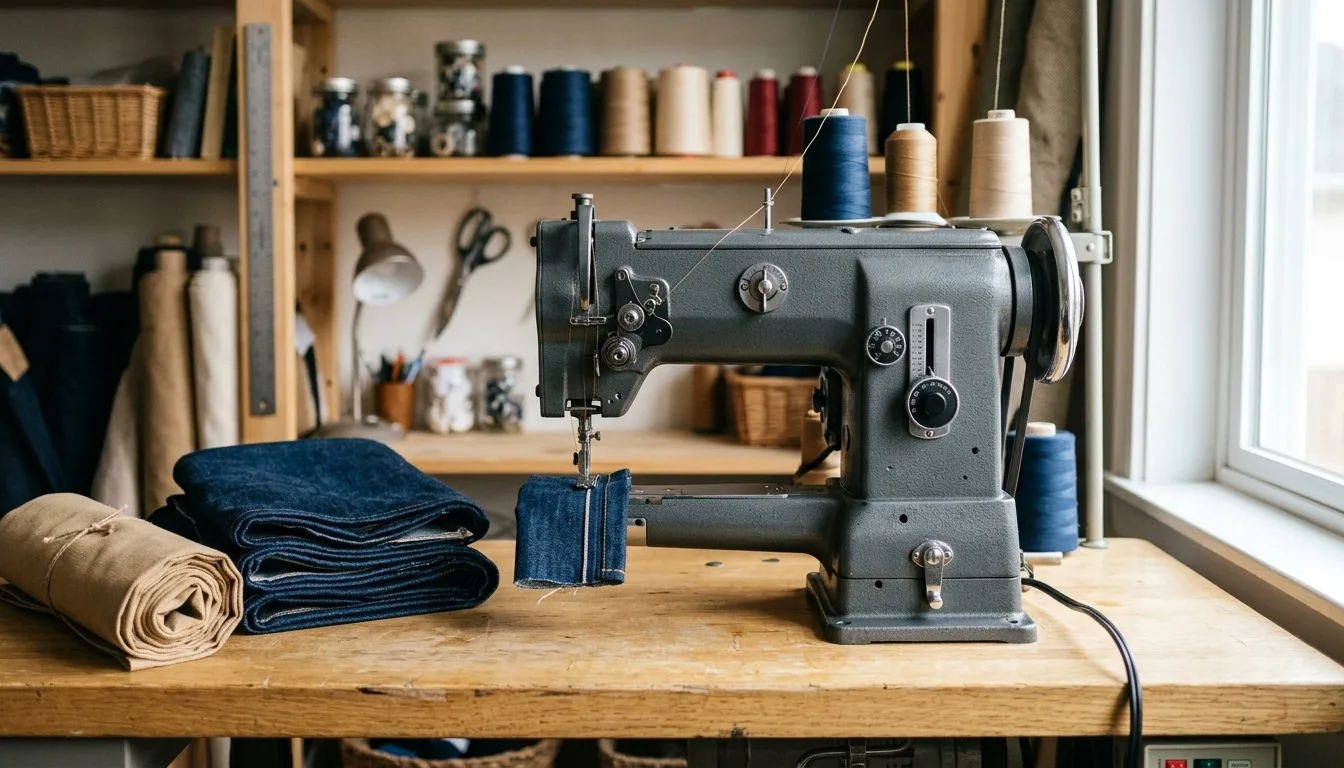
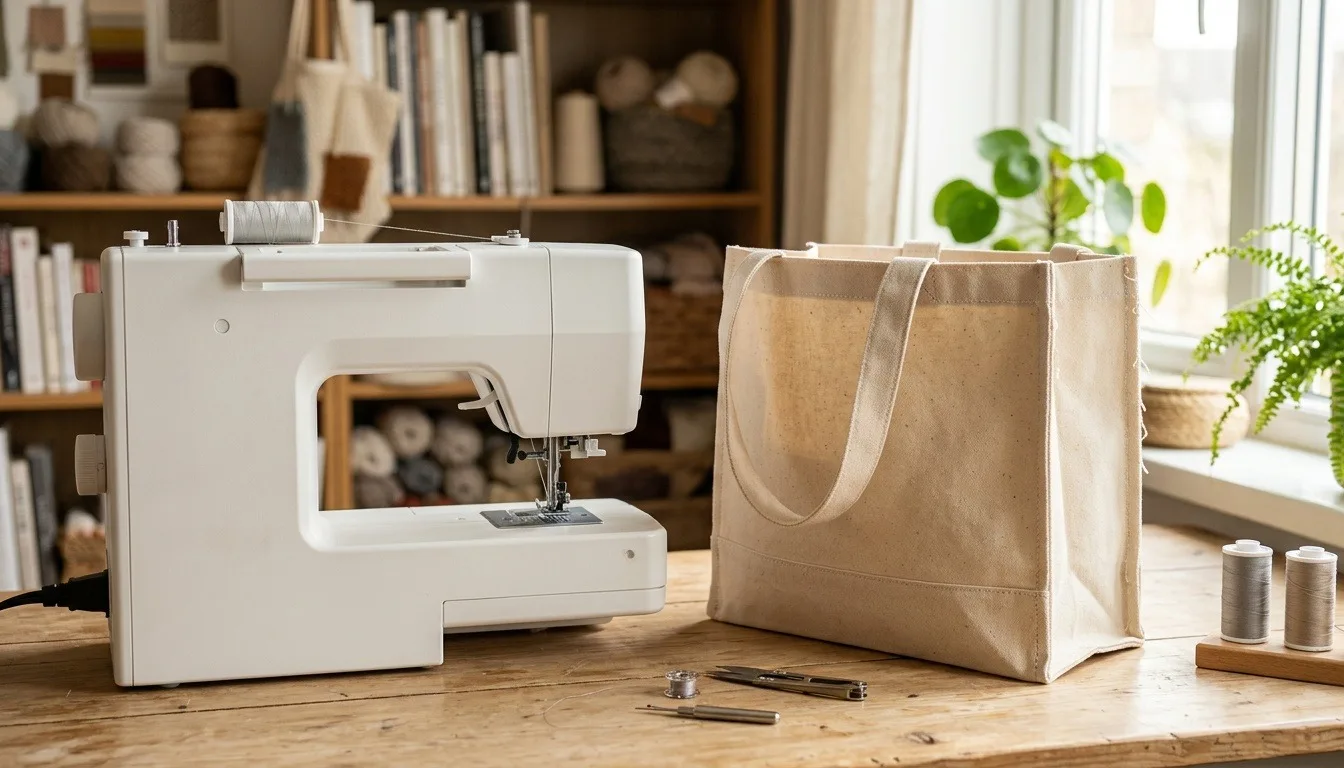
Will your first projects include denim, canvas or bags? A heavy-duty machine gives you more power to push the needle through. SINGER lists a heavy-duty metal frame, 23 built-in stitches and an automatic needle threader. See sewing machines for heavy duty work for three more options.
#3. Brother CS7000X: best computerized first machine
70 built-in stitches, including quilting and heirloom stitches
7 one-step auto-size buttonholes
Metal frame with a wide table and 10 sewing feet
Automatic needle threader and drop-in top bobbin
Keep in mind: more menus to learn than a simple dial machine.
Product details checked September 2026
The linked CS7000X package includes a six-piece thread pack and ten pre-wound white bobbins.
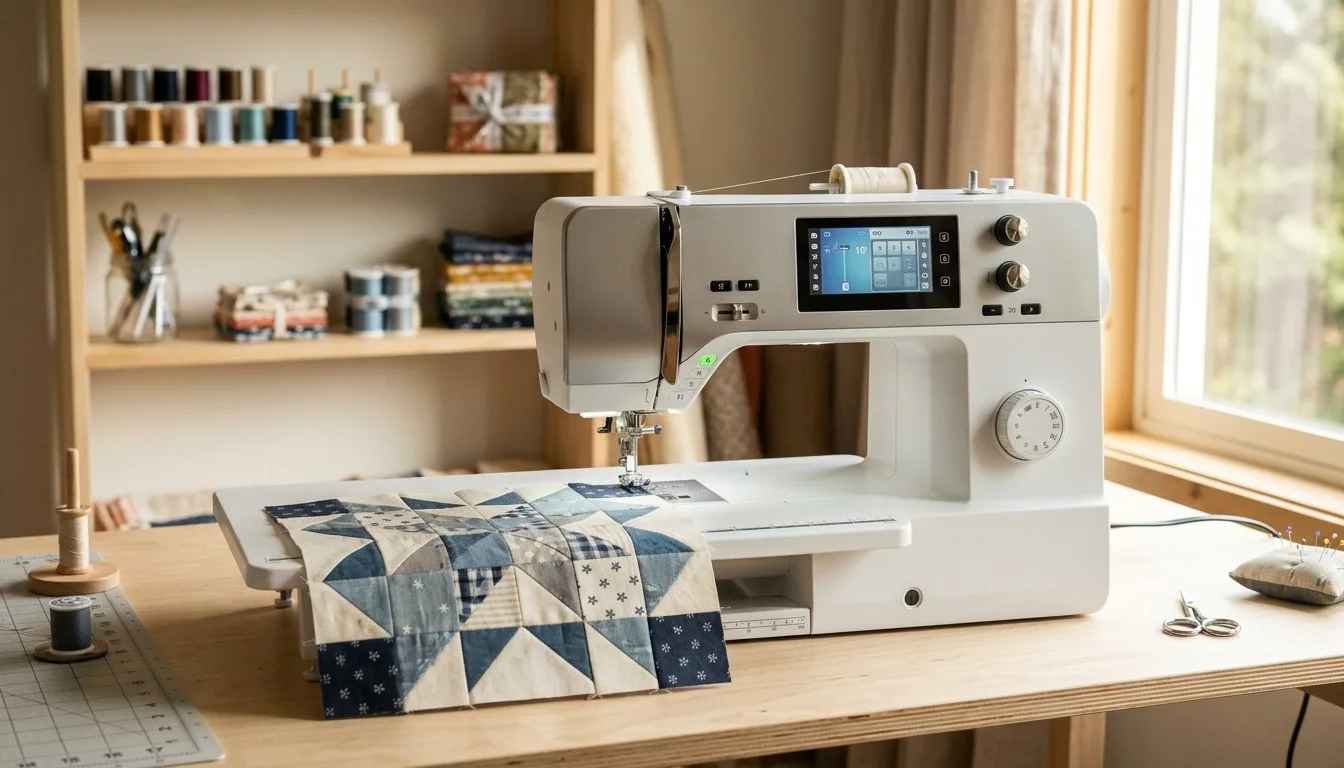
This one suits you if you want push-button stitch choice and room to grow into quilting. Brother lists 70 built-in stitches, 7 one-step buttonholes, a wide table and 10 sewing feet. It has more menus to learn than a dial machine. Our computerised sewing machine guide explains what the screen adds.
17 stitches, including blind hem, stretch and buttonhole
Drop-in top bobbin with a clear cover
Automatic bobbin winding
Lightweight free-arm design
Keep in mind: fewer stitches than larger machines in this list.
Product details checked September 2026
The linked SM1704 package includes six-piece Pacesetter sewing thread.
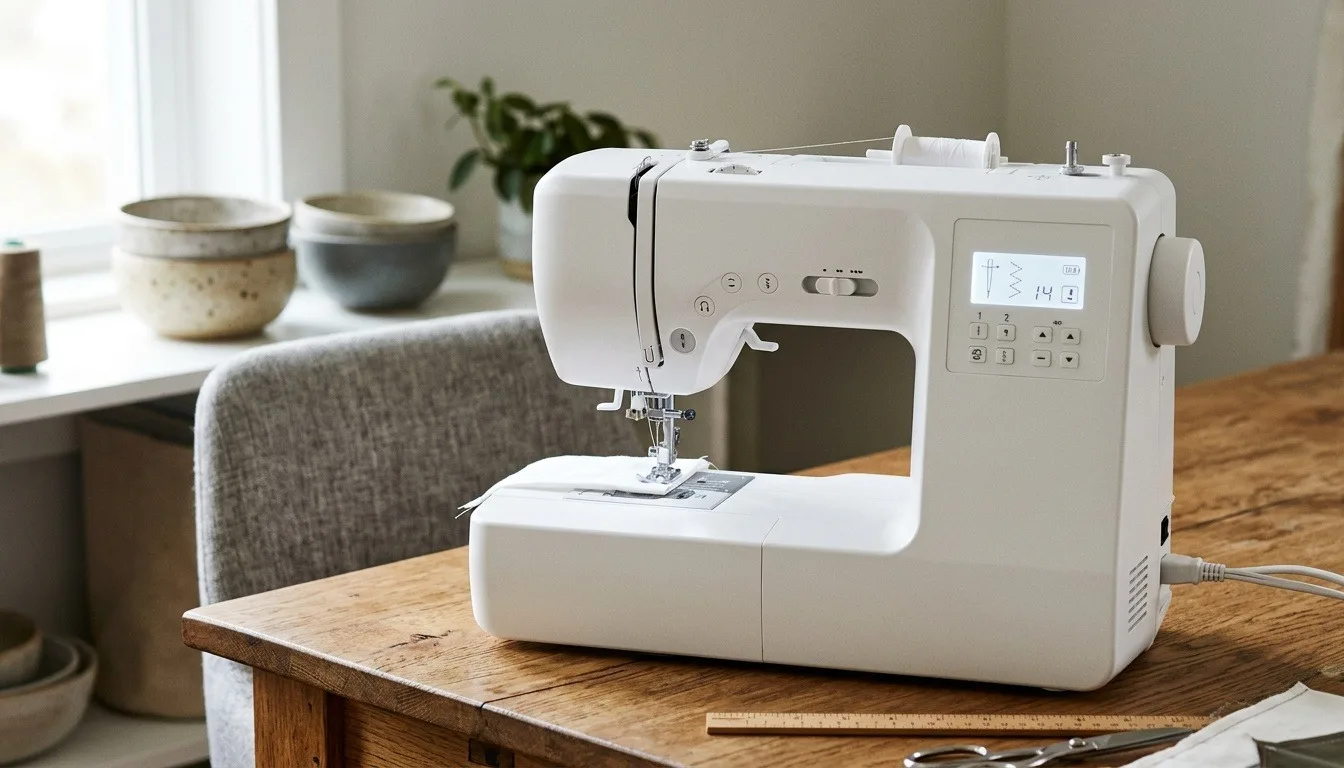
A light free-arm machine with 17 stitches and a drop-in top bobbin. It winds the bobbin for you. It suits a small apartment or trips to a class. It has fewer stitches than the larger machines here.
Keep in mind: a four-step buttonhole and few stitches.
Product details checked September 2026
One dial picks the stitch, and SINGER presets the stitch length and width for each one. It suits mending and straight seams with the fewest settings to learn. Its buttonhole takes four steps.
Factors to consider when choosing a sewing machine
Stitch count is a marketing number. Ten reliable stitches beat sixty you'll never use. Straight stitch, zigzag, a buttonhole function and a stretch stitch cover almost every beginner project.
An all-metal internal frame holds tension and alignment far longer than a mostly-plastic body, even at a similar price.
A drop-in bobbin is easier to learn on than a front-loading bobbin case, which takes a little more hand-feel to thread correctly.
Free arm (the narrow arm that lets you sew sleeves and cuffs) matters the moment you make actual clothing, not just flat projects.
Each machine type in the table below solves a different starting problem. The table is not a ranking. A mechanical machine with a metal frame is the safest choice for most first-time sewists. It is forgiving, cheap to repair and teaches the basics without a long menu of features. A heavy-duty mechanical machine matters if your first projects use denim, canvas or many layers.
Standard beginner machines can struggle to punch through that thickness. An entry-level computerized machine suits you if you want guided stitch choice or automatic buttonholes. You should be at ease with a small screen or button menu. A portable or compact mechanical machine gives up some strength and stitch range to save size and weight. That is worth it if storage or travel matters more to you than years of heavy use.
Beginner-friendly machine types compared
Machine type
Best for
Learning curve
Mechanical, all-metal frame
Most beginners; durability
Low
Heavy-duty mechanical
Thicker fabrics, denim, canvas
Low-medium
Computerized, entry-level
Readers who want guided stitch selection
Medium
Portable/compact mechanical
Small spaces, occasional sewing
Low
Scroll for more →
Signs a sewing machine will frustrate a beginner
Check for a few red flags, whatever type of machine you shop for. One is a body and inner frame made mostly of plastic. That is fine for light use now and then, but frustrating for regular use. Another is a front-loading bobbin case on a true entry-level machine. It is a harder first skill than most beginners expect.
A third is a stitch count in the hundreds on a machine priced like a basic model. That usually means padded marketing, not real extra ability. None of these is a deal breaker on its own. But weigh them against the price and your sewing plans before you buy.
Machine trouble doesn't always mean a bad machine. Tension problems, skipped stitches and bent needles are usually a five-minute fix. Start with the sewing machine troubleshooting guide before deciding to replace your machine.
What makes a sewing machine good for heavy duty work like denim, canvas and bags, which features actually help, and six domestic models compared by their listed features.
Three sewing machine bobbin picks for Class 15 and SA156 machines, plus the common bobbin classes, metal versus plastic, prewound bobbins and how to find yours.
A clear guide to the SINGER sewing machine lineup: Heavy Duty, the simple M-series and Simple models, Quantum Stylist computerized machines, sergers and more, with who each suits.
What a computerised sewing machine does differently from a mechanical one, the features worth paying for, and five computerized models compared by their listed features.
Match a SINGER sewing machine to what you actually sew: mending, garments, denim and bags, quilting and decorative work, with the listed features that matter for each.
A plain guide to Husqvarna sewing machines: the HUSQVARNA VIKING brand, its main series from Emerald to Designer, listed features of popular models, and who they suit.
A plain guide to the SINGER Heavy Duty 4423 sewing machine: what SINGER lists for it, who it suits, what it is not built for, and setup tips for thick fabric.
Do I need a computerized sewing machine as a beginner?
No. A mechanical machine with a handful of straight and zigzag stitches teaches you the fundamentals without an overwhelming menu. Computerized machines earn their price once you know which extra stitches you actually use.
How much should a first sewing machine cost?
It varies by model and retailer, and changes over time, so check current pricing on the specific model you're considering rather than relying on a fixed number. The cheapest toy-grade machines usually cost more in frustration than they save in dollars, regardless of the exact price gap.
Mechanical or computerized - what's the real difference?
Mechanical machines use dials and a simpler internal mechanism, so there's less to go wrong and repairs are cheaper. Computerized machines add push-button stitch selection, automatic buttonholes and sometimes embroidery, at a higher price and a steeper first week.