
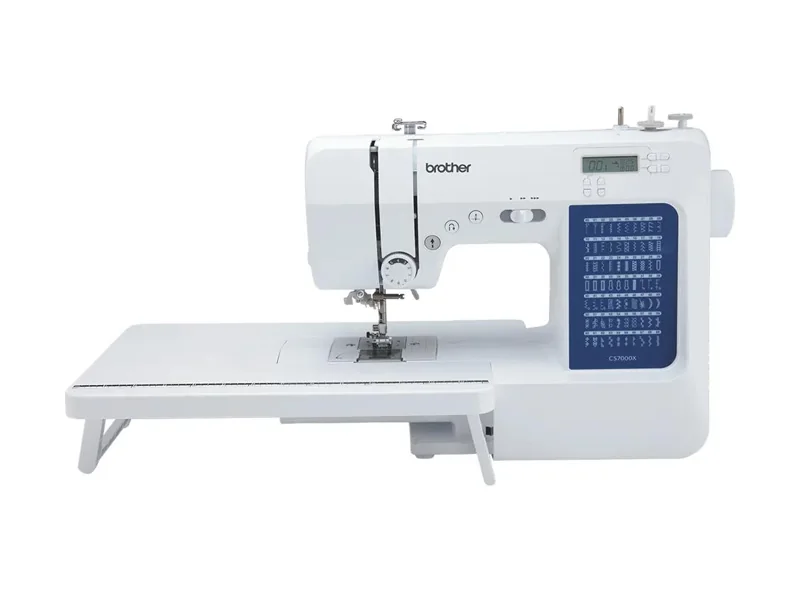
Our verdict:
A first quilt desk
Best for a first sewing machine for quilt blocks and everyday clothes.
Check price at SewingmachinesplusKeep in mind: presser foot pressure is not adjustable.
Buying guides
We may earn a commission from some links on this page.
The short answer
Start with the Brother CS7000X for a first quilt desk, CS7205 for more stitch options, or XR3774 for a smaller stitch menu. All five also support ordinary sewing.
Brother CS7000XCheck price at SewingmachinesplusRead our analysis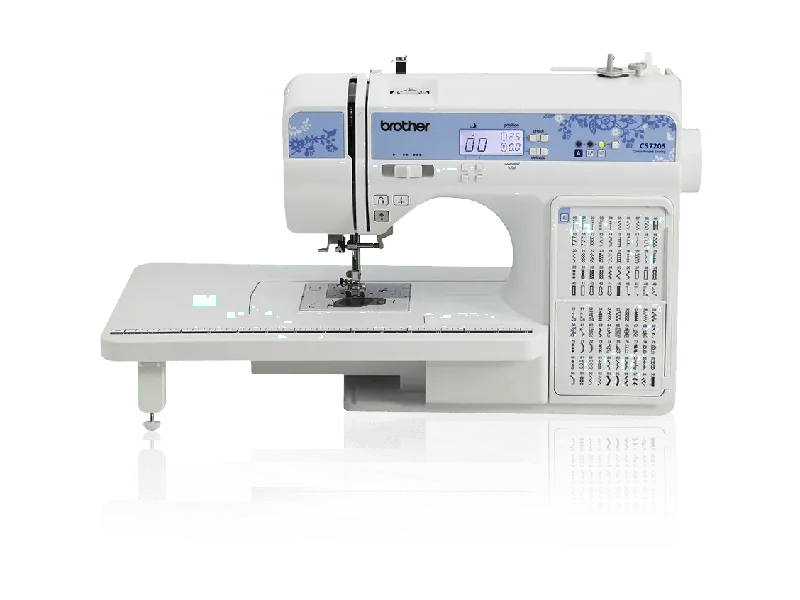 Brother CS7205View at BrotherRead our analysis
 Brother XR3774View at BrotherRead our analysis
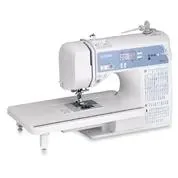 Brother XR9550View at BrotherRead our analysis
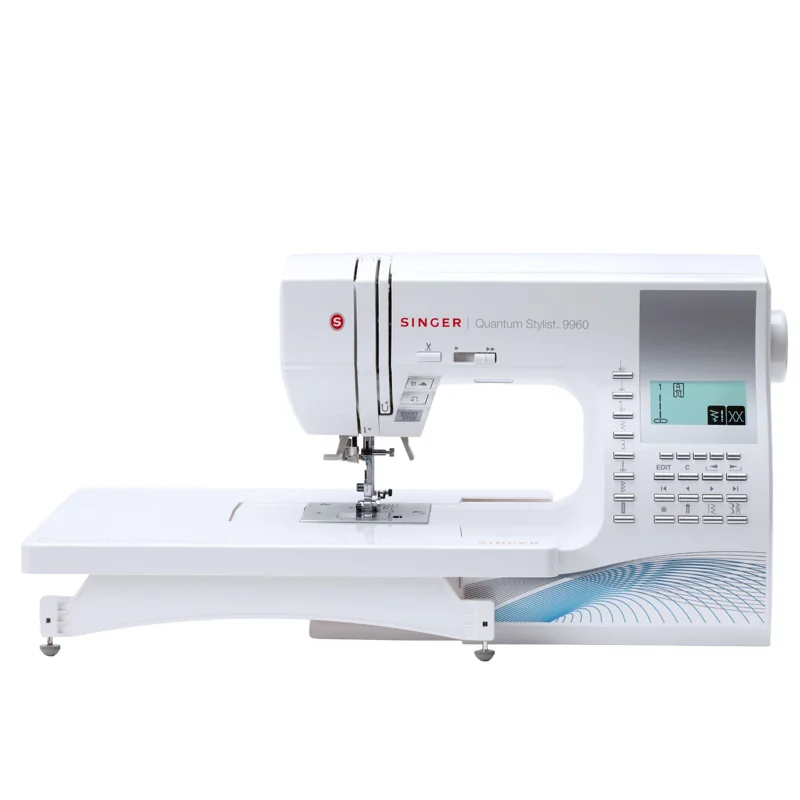 SINGER Quantum Stylist 9960View at SINGERRead our analysis
A first quilting machine should let you practice piecing and manage fabric without forcing a specialist purchase before you know which quilting stage you enjoy. This list favors general home sewing models with useful support accessories.
We used opened manufacturer specifications, exact retailer catalog records and internal product research. Accessories, duplicate packages, unfamiliar makers and industrial machines were removed. The order reflects the project fit explained below; it does not promise measured stitch quality or durability.
Our verdict:
A first quilt desk
Best for a first sewing machine for quilt blocks and everyday clothes.
Check price at SewingmachinesplusKeep in mind: presser foot pressure is not adjustable.
A wide table and ten feet give the CS7000X a useful starting accessory set. Speed control helps you choose a pace for practice. Its fixed foot pressure remains the main control limitation to understand; see the CS7000X review.
Our verdict:
More stitch options
Best for quilt piecing plus garment sewing on the same machine.
View at BrotherKeep in mind: a wide table supports fabric but does not turn the machine into a longarm.
The CS7205 includes a wide table, 11 feet and 150 stitches. It suits a learner who also wants garment and decorative sewing. Start with a few useful stitches rather than learning the whole menu before making a first block.
Our verdict:
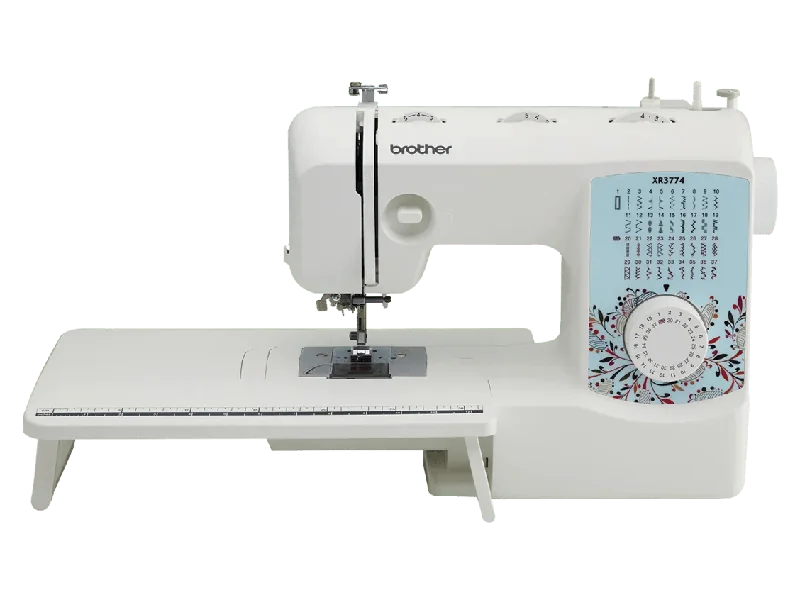
A smaller stitch menu
Best for a first quilting setup with a smaller stitch menu.
View at BrotherKeep in mind: fewer built-in options than the computerized quilting picks.
The XR3774 has 37 stitches, a wide table and eight feet. Its smaller menu suits a learner who wants fewer options to sort through. Check Brother's current included-accessory list before buying a case, thread or needles.
Our verdict:
Piecing and lettering
Best for quilt piecing with decorative sewing options.
View at BrotherKeep in mind: the wide table increases support rather than needle-to-arm clearance.
The XR9550 combines a wide table with 165 stitches including lettering and eight buttonhole styles. It suits a learner who wants quilt blocks and decorative sewing from one machine. Lettering stitches are not automatic embroidery in a hoop.
Our verdict:
Decorative quilt interests
Best for sewers who want decorative stitching alongside quilting and clothes.
View at SINGERKeep in mind: its stitch library takes more learning than a simple straight-stitch machine.
The 9960 comes with an extension table and walking foot, with many decorative options. It fits someone whose beginner projects already include stitched decoration. If the aim is simple piecing, weigh the learning time of its broader menu.
Begin with piecing. Consistent seam allowance and fabric handling matter more than learning every decorative stitch. Practice with scrap blocks and check the resulting block size before assembling a whole quilt.
Learn one quilting setup at a time. Feeding layers with a walking foot and free-motion quilting with dropped feed dogs require different settings and motions. Follow the machine manual and practice on a small sandwich.
Support the fabric. All five have a published wide or extension table, but that support does not enlarge the throat. Keep larger fabric from dragging off the desk.
Leave room to grow. A dedicated straight-stitch machine can be useful later. For a first household machine, keeping ordinary sewing and buttonholes available often helps while you learn which projects you enjoy.
Return to machine buying guides or our quilting section for the next step.
No. A domestic machine can piece blocks and quilt manageable projects. Learn the necessary setup before choosing a specialist machine.
No. Built-in lettering stitches are different from automatic designs stitched in an embroidery hoop.
You can learn it, but practice piecing and a small quilting sandwich first. Dropped feed dogs, a suitable foot and controlled fabric movement are separate skills.