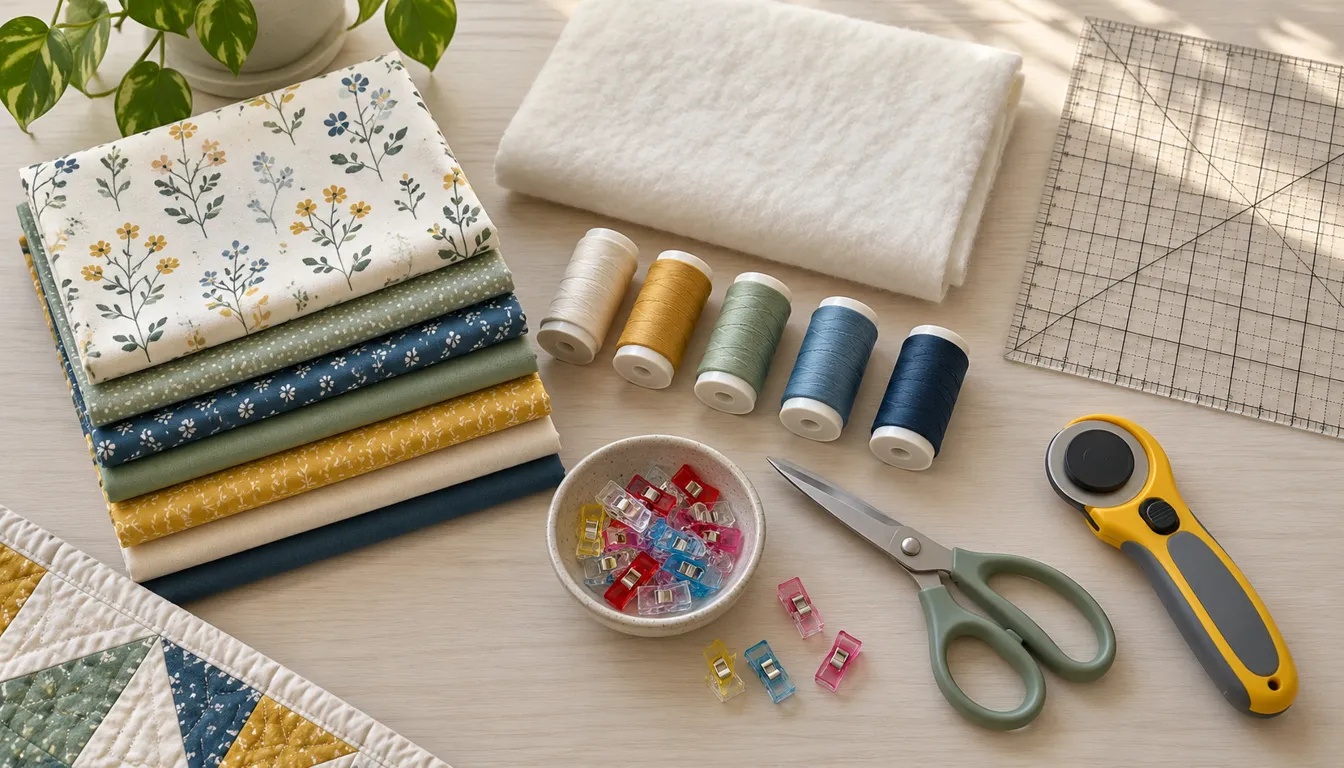
Start with the supplies needed to finish one quilt: fabric, cutting tools, thread, needles, batting, backing and binding. Check your pattern for sizes and quantities, then look through your drawers and machine carton before ordering. Each purchase should have a job in the project.
Use the quilting guide to plan materials for each stage. Keep the pattern beside your shopping list so that every piece of fabric and each accessory has a clear purpose.
Quilting supplies by project stage
For cutting, you need the pattern's measuring and cutting tools. For piecing, you need suitable thread, needles and a machine or hand-sewing setup. For the sandwich, you need batting and backing plus your selected basting materials. For finishing, you need binding fabric and the method's tools.
Separate reusable tools from materials the project uses up. A ruler can serve many quilts. Batting becomes part of this quilt. That distinction helps you decide what to buy now and what to borrow for a class.
Stage
Check first
Add when needed
Cut
Pattern sizes and desk space
Suitable ruler, cutter and mat
Piece
Machine feet and needle fit
Thread and spare needles
Layer
Real top size
Batting, backing and basting materials
Finish
Binding method
Binding fabric and edge clips
Scroll for more →
Match each purchase to a project stage
A cutting set helps prepare the pieces. Thread joins the seams and can become part of the visible quilting. Use clips to hold folded binding against the quilt edge while you sew. Check the pattern for each stage and make sure you have the right size and quantity before buying.
Keep in mind: check the included mat and ruler dimensions against your work space before buying.
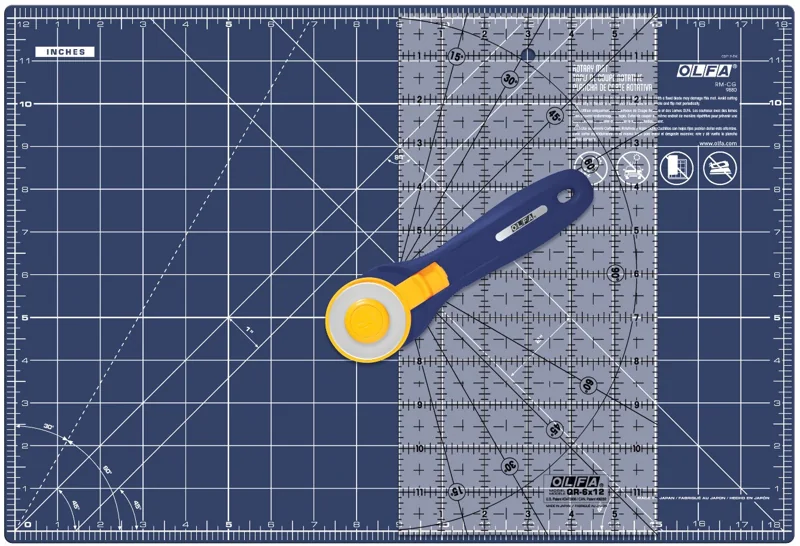
The OLFA quilting and sewing kit groups a rotary cutter, cutting mat and acrylic ruler. It is useful when the whole cutting station is missing. Check each item's current dimensions against your desk and pattern before ordering.
A set suits someone who owns none of those tools. If you already have a good ruler and mat, a whole second set may add little. Our quilting tools guide focuses on matching tools to the work area.
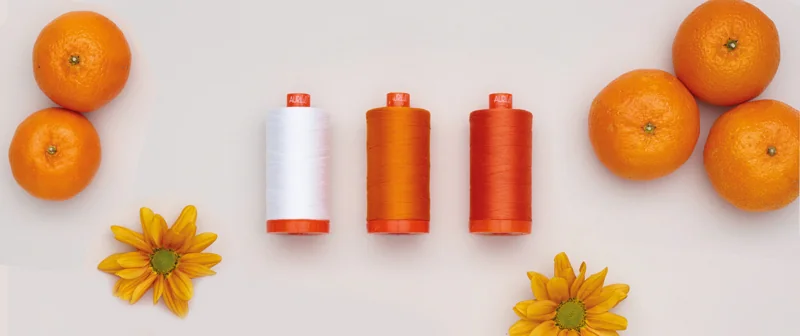
2. Aurifil 50wt cotton for a neutral sewing supply
Keep in mind: test its color against both light and dark fabrics.
Aurifil's 50-weight cotton thread is available in a range of colors. Select a shade against both quilt faces and test a sample seam with the intended needle and machine setup. A color that blends into one fabric may form a visible line on another.
Put a loose strand across several fabrics before choosing. A spool can look darker than the single strand you will see in a stitch. Keep the label so that you can buy the same thread later without trying to match it from memory.
Keep in mind: clips at the edge do not baste the middle of a quilt.
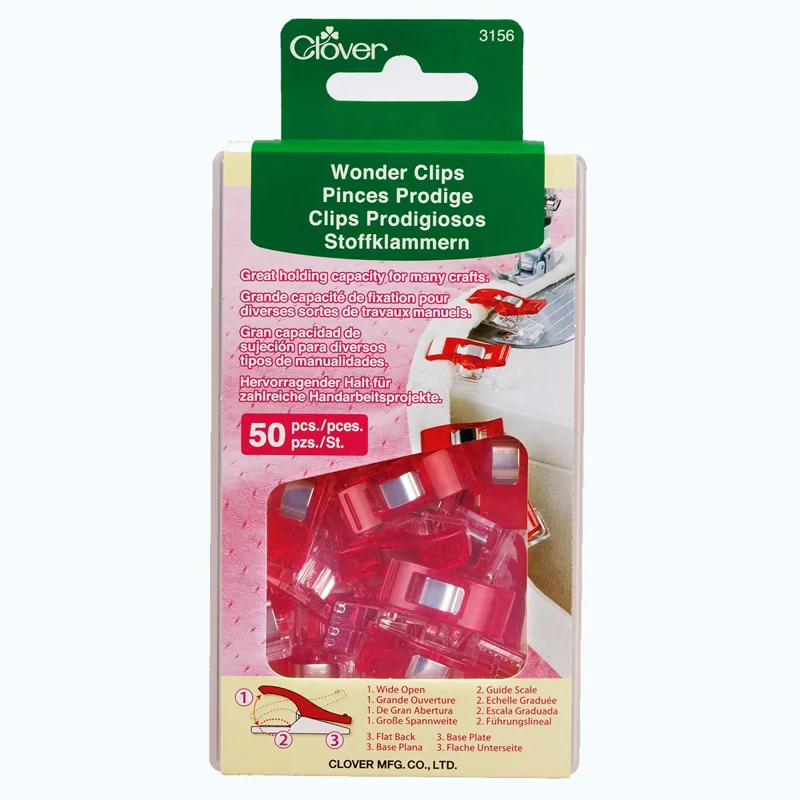
This pack contains 50 assorted-color Wonder Clips. Clip the binding along the quilt edge to keep the layers together as you prepare to sew. Keep spare clips in a small dish beside the machine and remove each clip before it reaches the needle.
Choose the binding method before deciding how many clips you need. Hand finishing and machine finishing can use the same basic edge-holding idea, but the stitching steps differ. Keep that method's instructions with the quilt.
Plan fabric with the cutting list
Count the units in your chosen design and separate top fabric from backing and binding. A coordinated bundle may supply enough colors but too little of one background. Check each fabric's job, rather than only the bundle's total area.
For a small quilt, arrange 30 squares five across and six down. Squares that finish at 6 inches make a 30-by-36-inch top before borders. Cut each square at 6 1/2 inches to allow for quarter-inch seams on both sides.
Measure the sewn top to plan backing, batting and binding. Use our quilt fabric material guide to calculate fabric needs from cut sizes and usable width.
Buy batting after the top plan is clear
Check the real batting sizes, fiber and quilting instructions. A package's bed-size name is less useful than its stated rectangle. Compare that rectangle with the top plus the extra margin needed by your method.
For example, choose a 2-inch margin around the 30-by-36-inch planning top. The batting rectangle becomes 34 by 40 inches: add 4 inches to both overall sizes. A finishing service may require a different margin, so ask before buying.
The batting guide compares the middle-layer choices. Keep that purchase separate from backing fabric; the two layers do different jobs and may be sold in very different widths.
Keep cutting and sewing supplies safe and tidy
OLFA's cutting guidance says to cut away from yourself, keep fingers away from the ruler's cutting edge and close the blade after a cut. Clear pins and spare fabric from the cutting path before starting.
Store the cutter closed and keep a small place for used needles and blade packaging. Follow the maker's directions for changing a blade. A clean cutting area also makes it easier to see the ruler lines and keep the fabric straight.
Store each group of supplies where you use it. Keep the project's fabric and cutting sheet together, put machine accessories in a labeled tray and give large batting a clean storage space. You can then start a short sewing session without searching for its materials.
Leave specialist extras for the project that needs them
Curved templates, ruler-work feet and specialty marking tools can be useful when a design calls for them. The quilting templates guide explains which tools guide cutting, marking or stitching. Check which kind the pattern requires and whether it fits your machine setup.
For a first machine, compare beginner quilting machines with the supplies you already own. If a machine comes with a walking foot or quilting foot, take that foot off your shopping list.
Verdict on quilting supplies: buy the next project’s missing pieces
Choose the pattern, count the materials and inspect the tools you already have. Add a cutting set if you need all three parts, thread suited to the technique and clips for the finishing edge. Keep the remaining list short until a project calls for something else.
FAQ
Which quilting supplies should I buy first?
Start from a small pattern’s cutting and finishing list. You need suitable fabric, a way to measure and cut, thread, needles and the materials for the middle and back. Check your machine accessories before buying another foot, and add specialty tools only when the project needs them.
Are clips a substitute for basting a quilt?
Use clips to hold binding along the quilt edge. Baste the middle of the quilt sandwich with a method suited to your quilting technique, following the product or tutorial instructions.
Should I buy a complete quilting kit?
A kit can simplify buying when the contents match your pattern and workspace. Check every included size and count. A large tool count can include duplicates or small items, so judge the real cutter, ruler and mat before treating it as a complete setup.